
Into the woods

I’m posting this just as I set off off with Mrs. Rickipedia for a two-week road trip down the West Coast, following an event the anticipation of which gladdens my heart: the high school graduation of my beloved nephew. He’s the kind of cat who hopes to find, in college, friends with whom to talk about his favorite novelist, Thomas Pynchon. And just asked Uncle Rick for a reading list to knock off this summer, before he gets there. Easy to see why Wesleyan chose him.
He chose Wesleyan, both because its president has led the way in demonstrating to other universities how to stand up to American fascism, and because of its excellent filmmaking program. With Milo’s permission, I’m sharing the short film he made for his application.
That’s him as the cowboy; also as producer, director, and composer of the score. I’m especially proud of that part. Check out the achingly forlorn clarinets. We got him the software and gear for his bar mitzvah.
I’m very moved by this film. I pick up themes of identity formation, isolation, connection. It’s formally complex in getting at them, in its meta-analysis of genre convention, and its nod to the Western’s ritualized representation of regeneration through violence (Richard Slotkin, below), and the much older ur-theme of self-formation in the wilderness; also, the gendered nature of those fantasies. Ultimately, with the twist at the end, I feel like it’s about what it means to “play a role,” and what it takes to sustain the fiction of autonomy in a world where we’re doomed to—or blessed by—interdependence. After any adventure that the mere adolescent embarks upon, in the process of growing up, Mom is there to pick up you and return you safely home; which is, yes, irritating. But, then, she is not there to pick you up any more, and that is…
That bittersweet liminality, leaving home. Approaching the unknown. Becoming a Self, that wilderness we all must conquer…
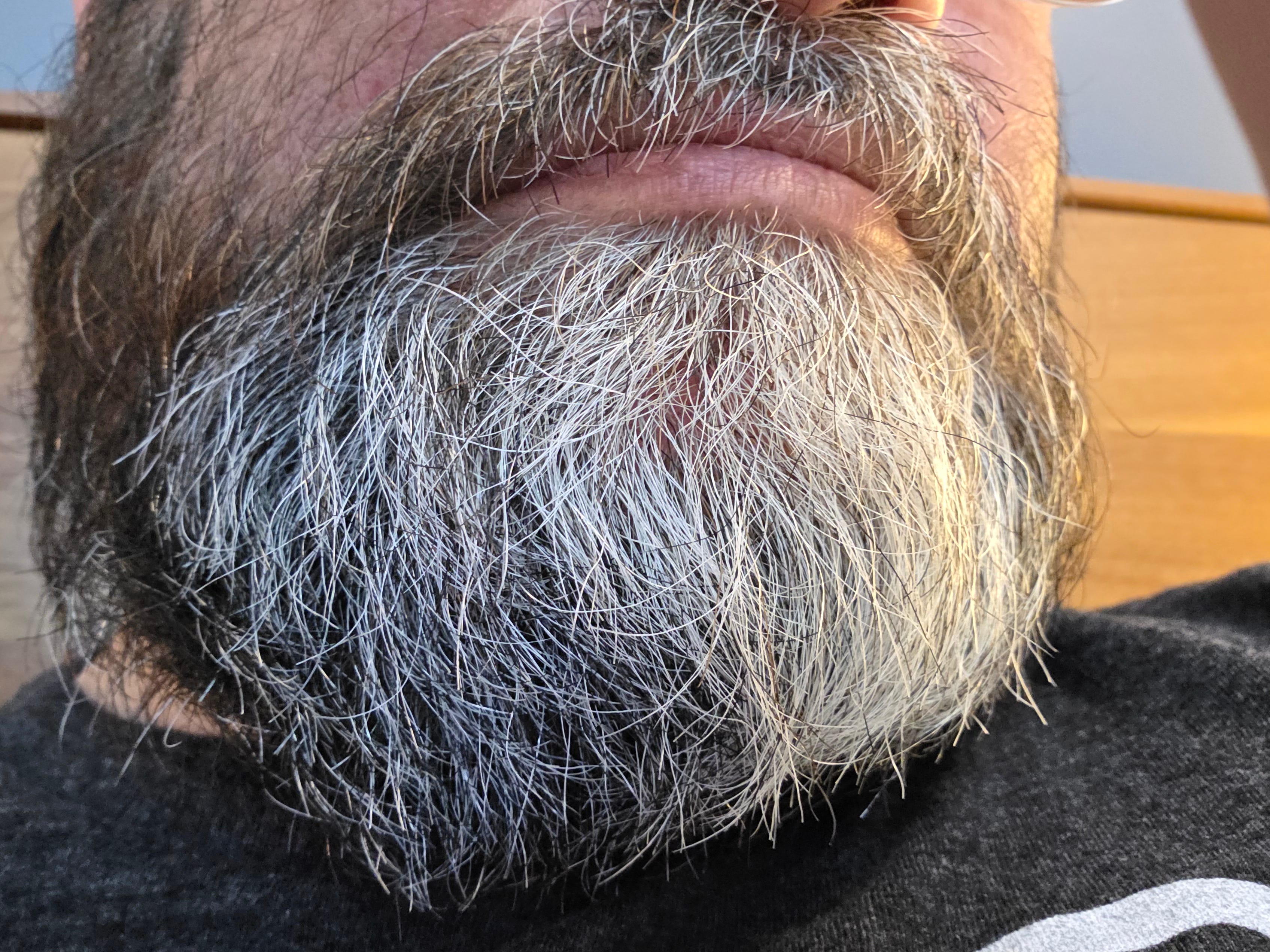
At least that’s my reading. But then, that may just be where my head is at; I’ve been feeling the bitter-sweetness of liminality myself. The other night, while watching a great rock band comprised of buddies of Mrs. Rickipedia who have at it since the 1990s, it suddenly dawned on me that my beard now approaches a nearly Santa Clausian whiteness. I'm convinced I just finished the last project that I’ll write that’s driven by a certain frantic motivation—I’ve felt it since I was Milo’s age, and imagine Milo feels it, too—that I need to produce a world-changing masterpiece or else I will die!!
Also, I’m about to head off into my own novel wilderness of sorts: for two weeks, I intend to engage in no online arguments, read any social media, or…write. A first, at least since college. Can I do it? How will it feel? I’ll report back.
Meanwhile, I’ve been stacking up pieces that will post every other day or so. I might be able to handle not typing my thoughts for a fortnight. But not being seen by strangers for a whole half a month: well, then, will would I even, truly, exist?
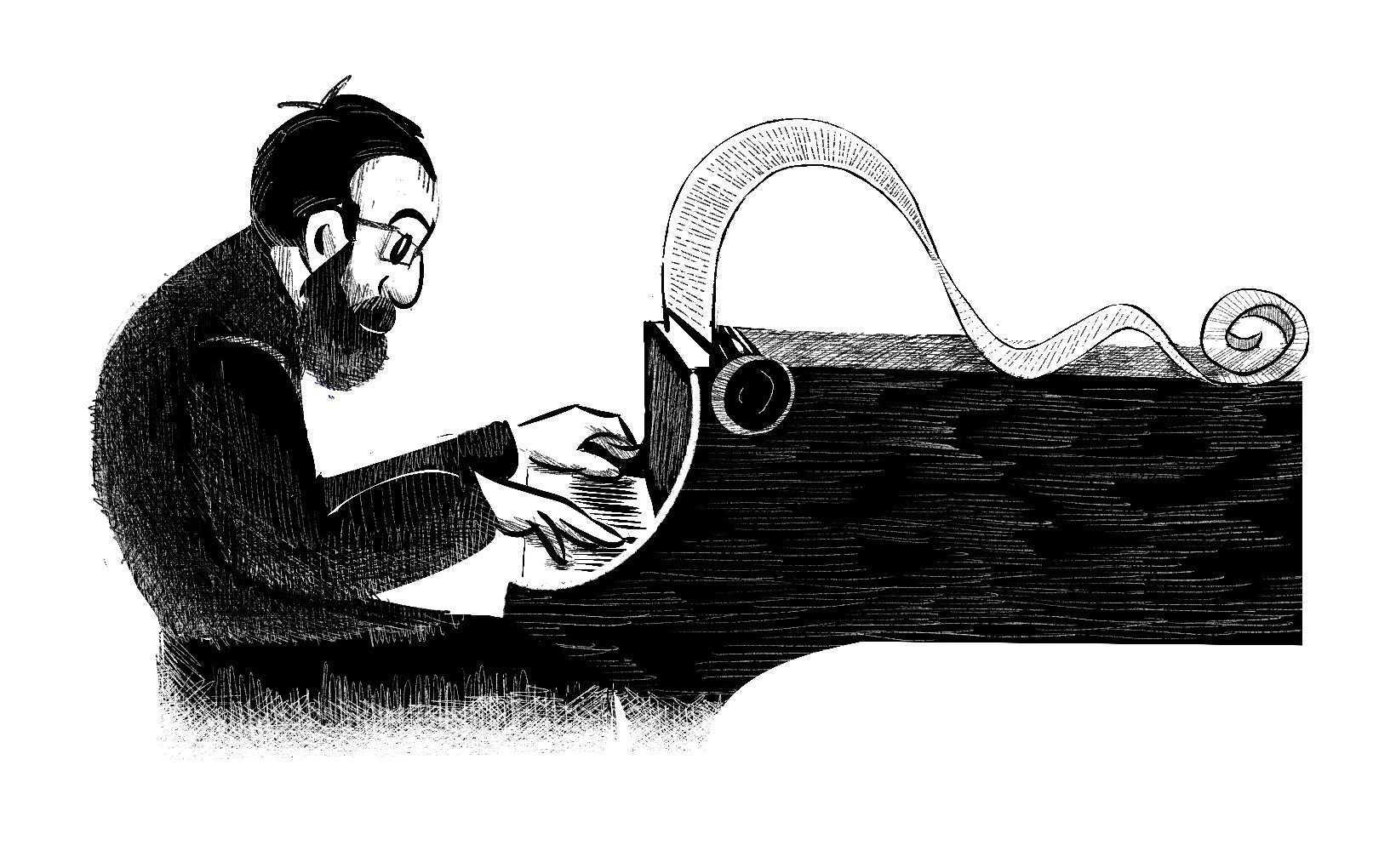
(My reading list for Milo? Any chapter from Joan Didion’s Slouching Toward Bethlehem or The White Album or James Baldwin’s The Fire Next Time. Herman Melville’s Benito Cereno, which I’ve fobbing off on him for like a year now. One or more Chekhov short stories; important ones for me including “A Woman’s Kingdom” and “Easter Eve.” Richard Slotkin’s Regeneration Through Violence: The Mythology of the American Frontier, 1600-1800—see above. Michael Paul Rogin’s “Blackface, White Noise: The Jewish Jazz Singer Finds His Voice.” Mrs. Rickipedia threw in Cormack McCarthy’s All the Pretty Horses.)
Always like seeing a Slotkin shoutout!
Cahokia Jazz by Francis Spufford (a one sitting kind of book), A Confederacy of Dunces by John Kennedy Toole (an American classic), and Son of the Morning Star by Evan S Connell (brilliant nonfiction)