Escaping the Death House
Remembering Robert Coles, and also, a federal government that cared.

In The New Republic, Timothy Noah, a morally profound writer in his own right, remembers the morally profound psychologist Robert Coles, who passed away on June 4 at the age of 97. Noah shares indelible memories of taking his class at Harvard in 1979, including a poem by Stephen Spender he would recite celebrating people who “wore at their hearts the fire’s centre,” and “left the vivid air signed with their honour.” My Coles memory is less personal, but no less unshakable.
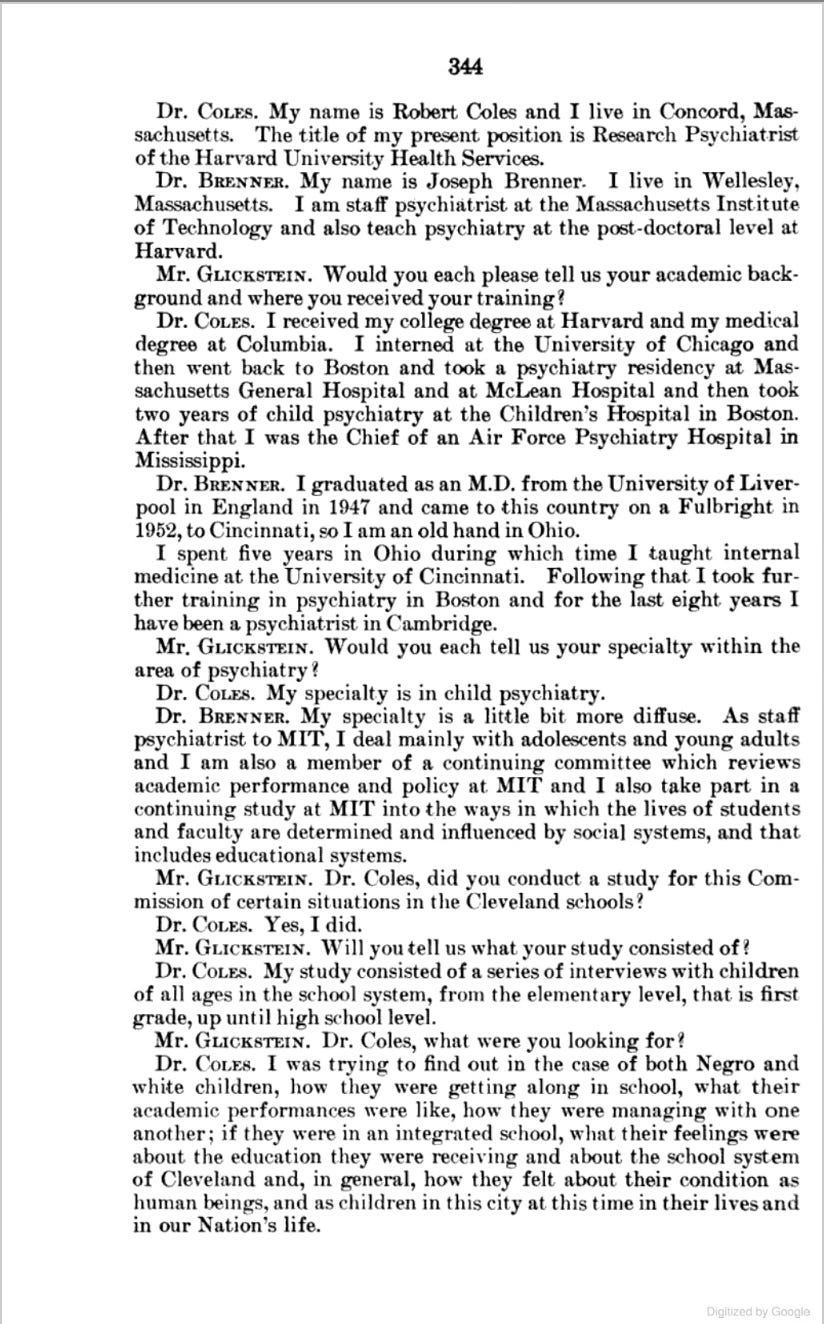
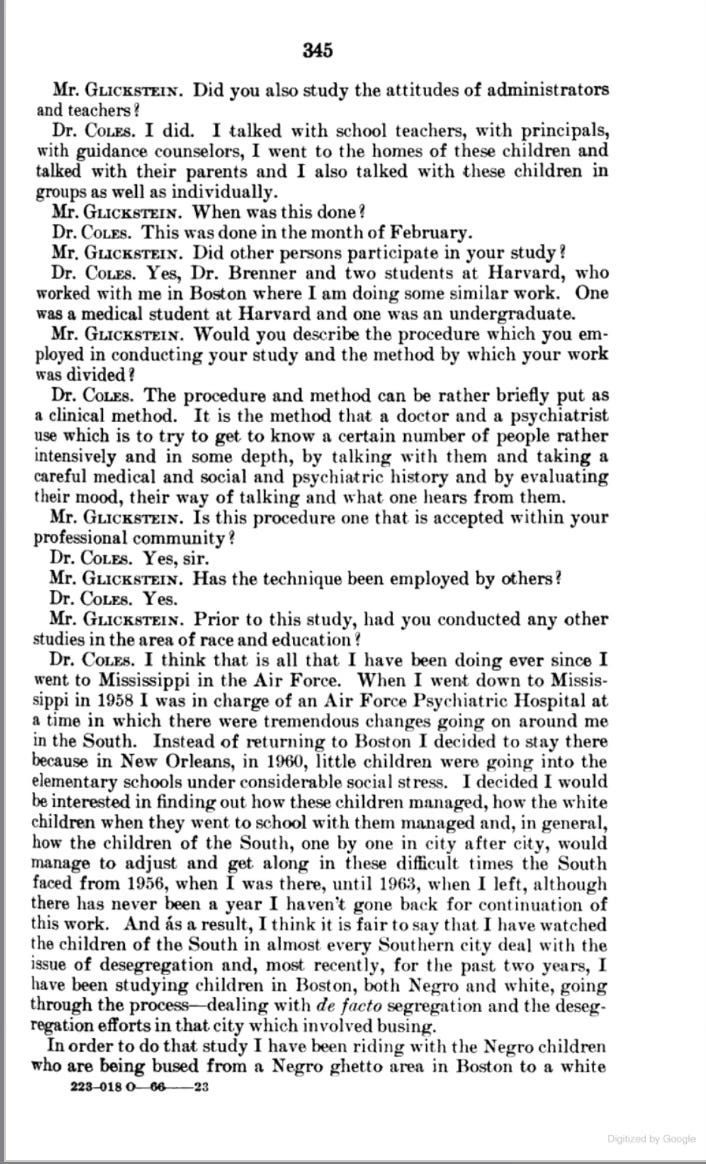
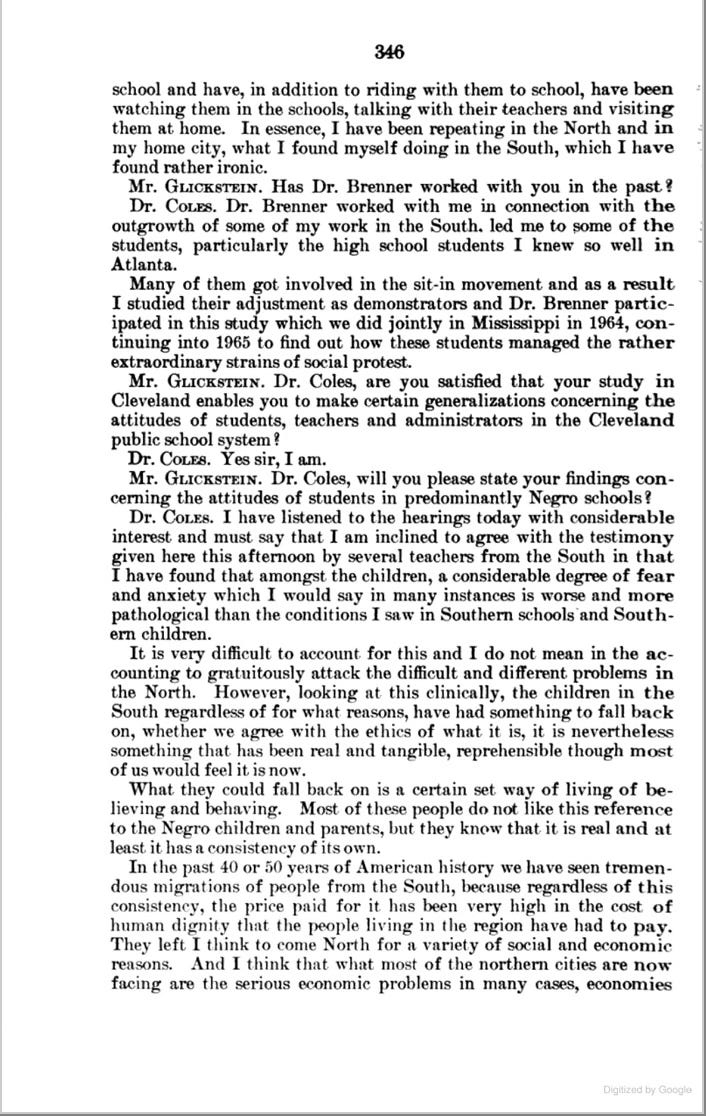
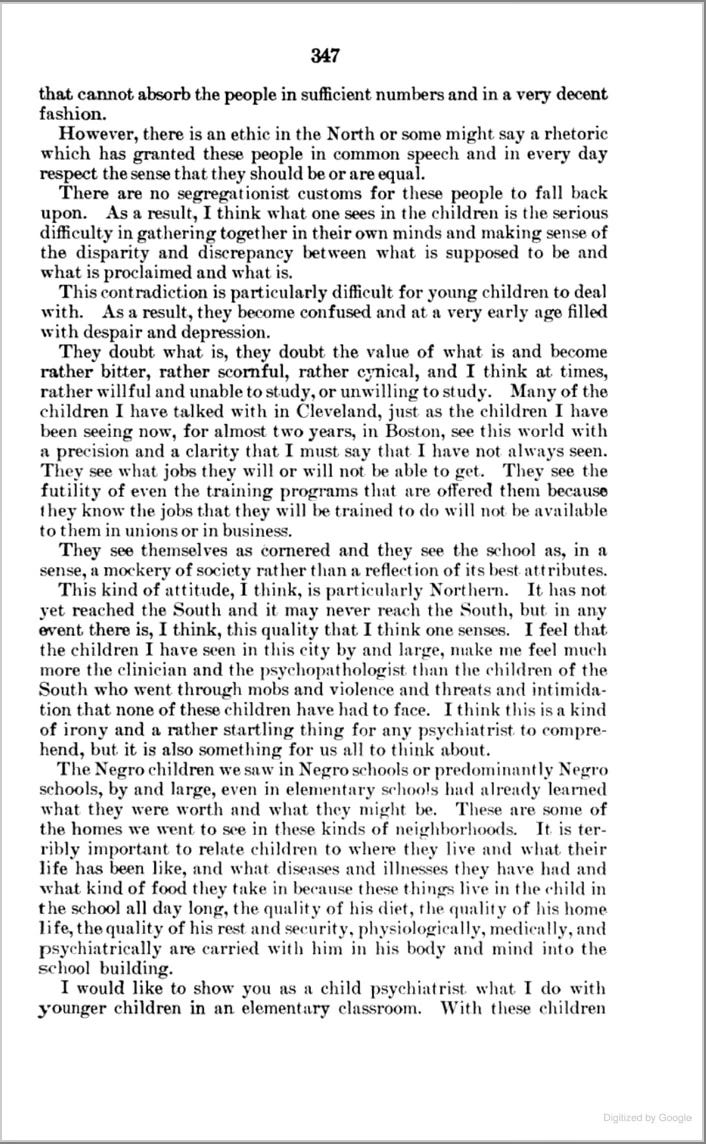
Researching my book Nixonland, seeking ways to get across exactly what African Americans were enraged about during the wave of riots in the urban North from 1964 through 1968, combing the shelves at my beloved Regenstein Library at the University of Chicago, I came across a transcript of hearings the U.S. Commission on Civil Rights held in Cleveland in April of 1966. The witnesses made it quite clear that the police force served in Black neighborhoods like an occupying army. Cops worked in concert with neeighborhood pimps, until, a minister testified, “It has got to the place whereby a man’s wife or daughter is not safe to walk the streets.” The police chief told the panel he hoped there would be more capital punishment, “to keep the Negroes in line.” A judge convicted a group of civil rights demonstrators literally without a trial: “They are all guilty because I saw it on TV.” People consistently got arrested after reporting crimes—for which response times, on average, were 20.1 minutes, compare to 8.52 minutes in white neighborhoods.
And then there was Dr. Cole’s testimony.
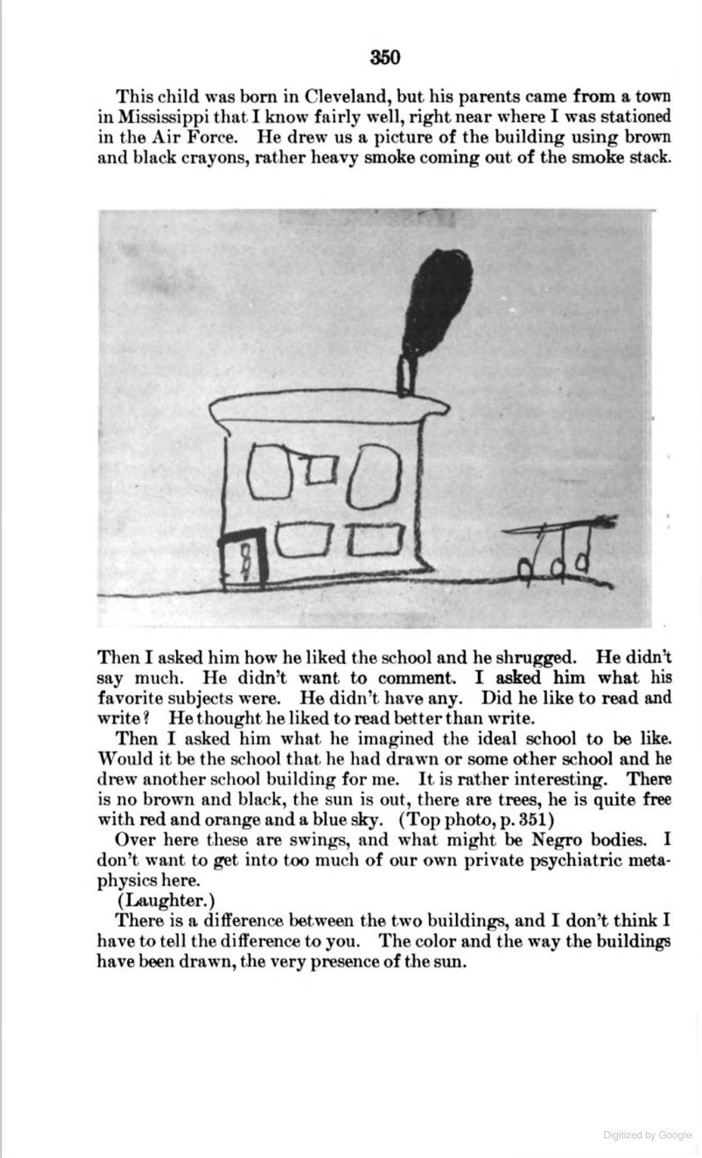
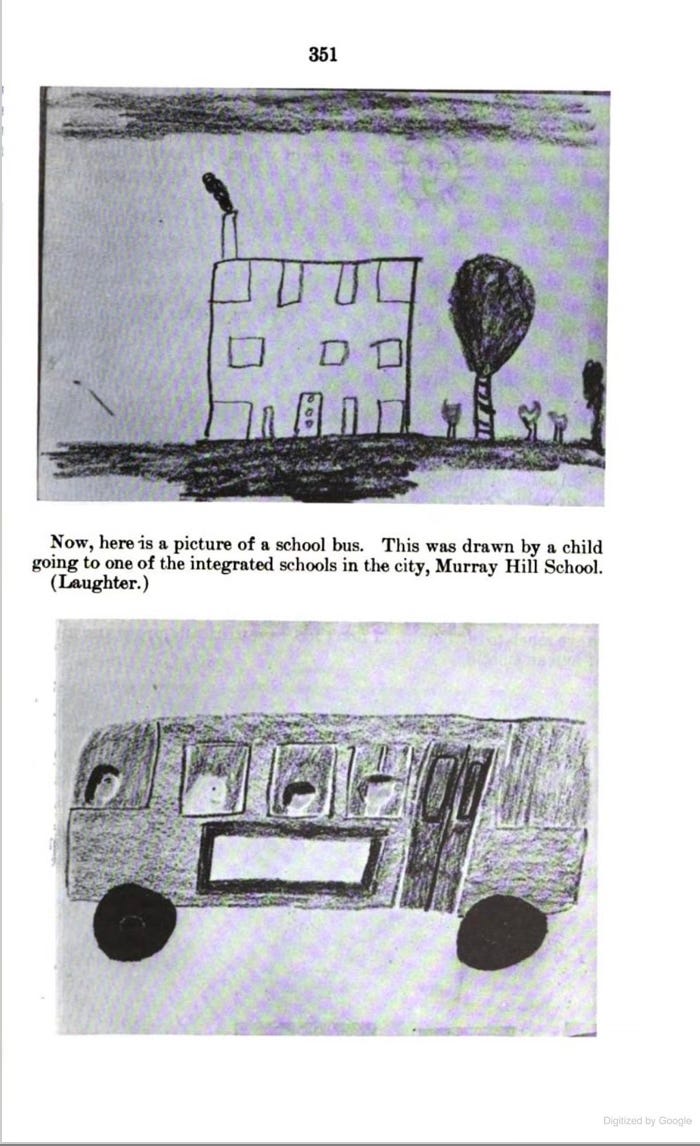
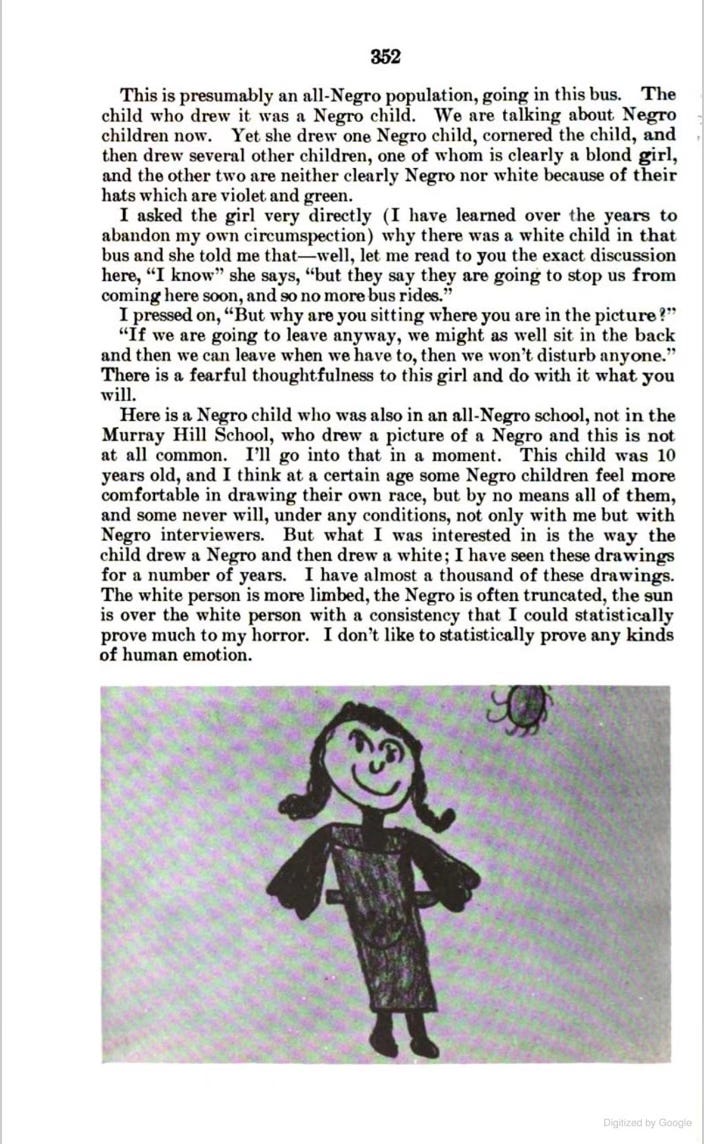
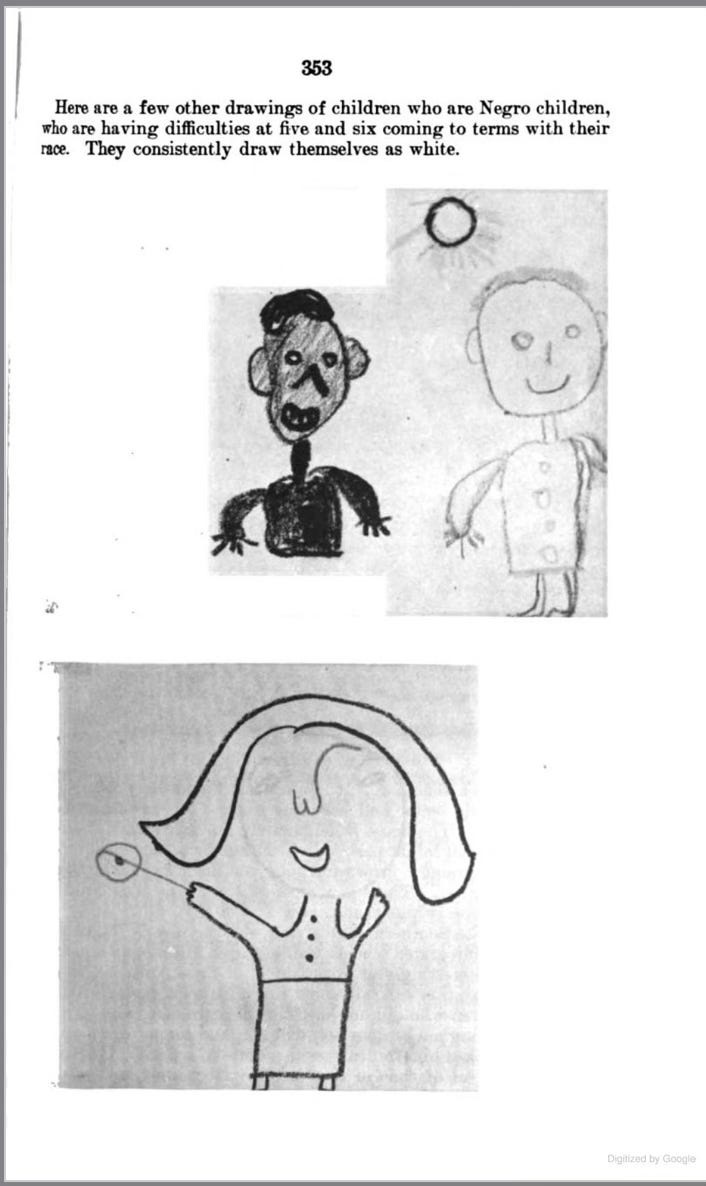
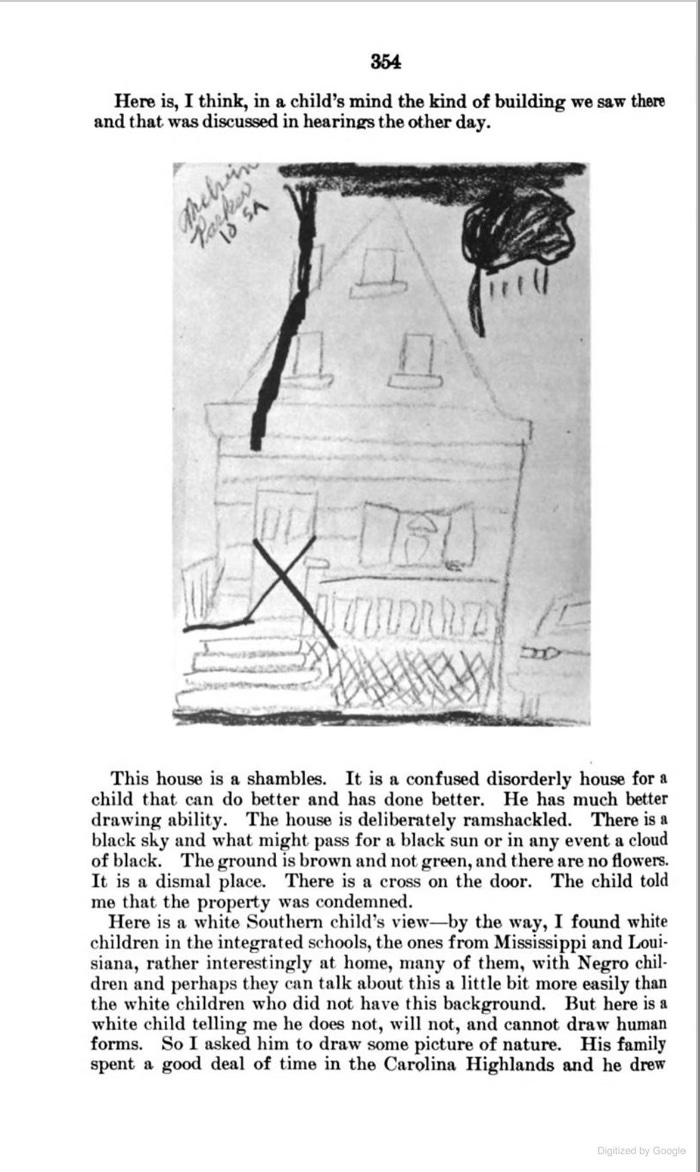
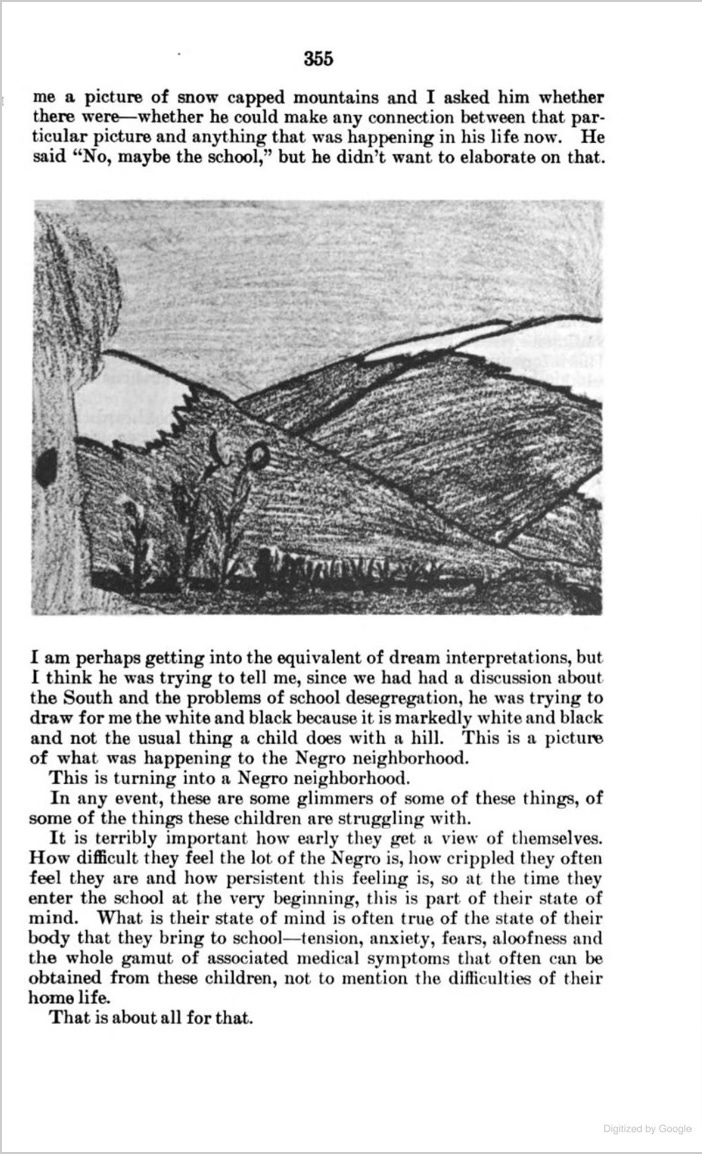
Documents are easier to get ahold of while sitting on one’s couch than they were back in the early 2000s, so you can read the whole volume on Google books. Here, and now, in Robert Coles’s memory I reproduce his account what he learned interviewing children living under pressures like these—as an offering, and as a prayer, that our federal government might someday return to being some small part of the solution to madness like this, instead of being a major part of the problem.
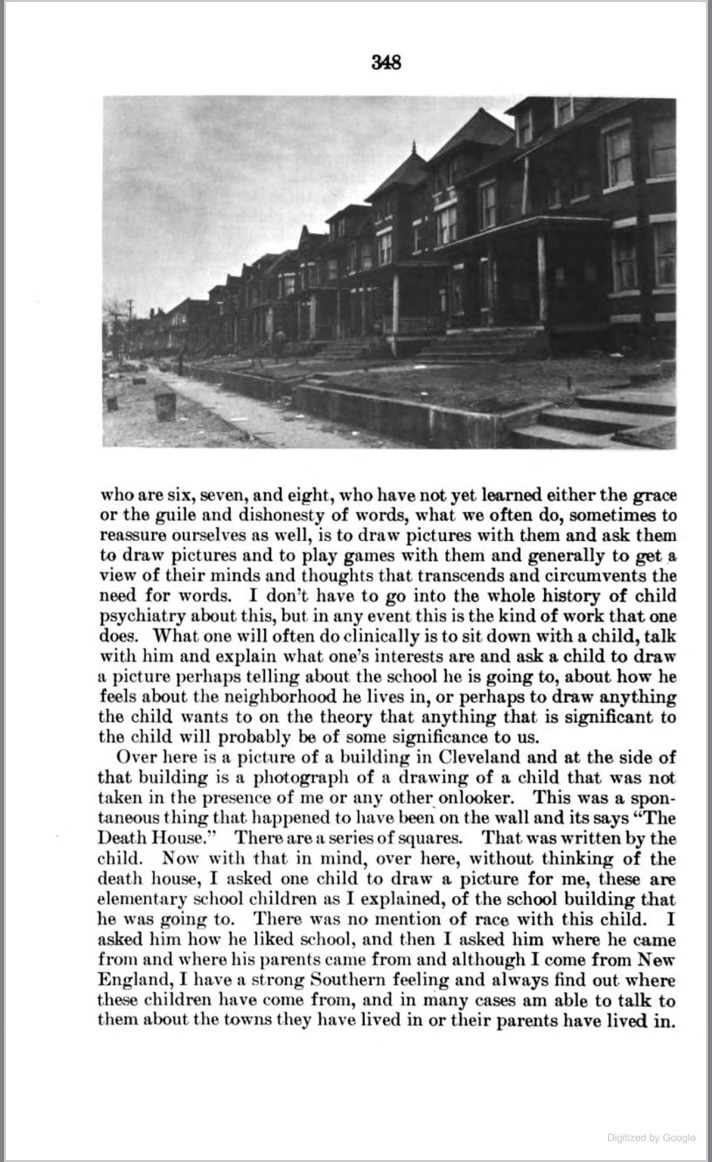
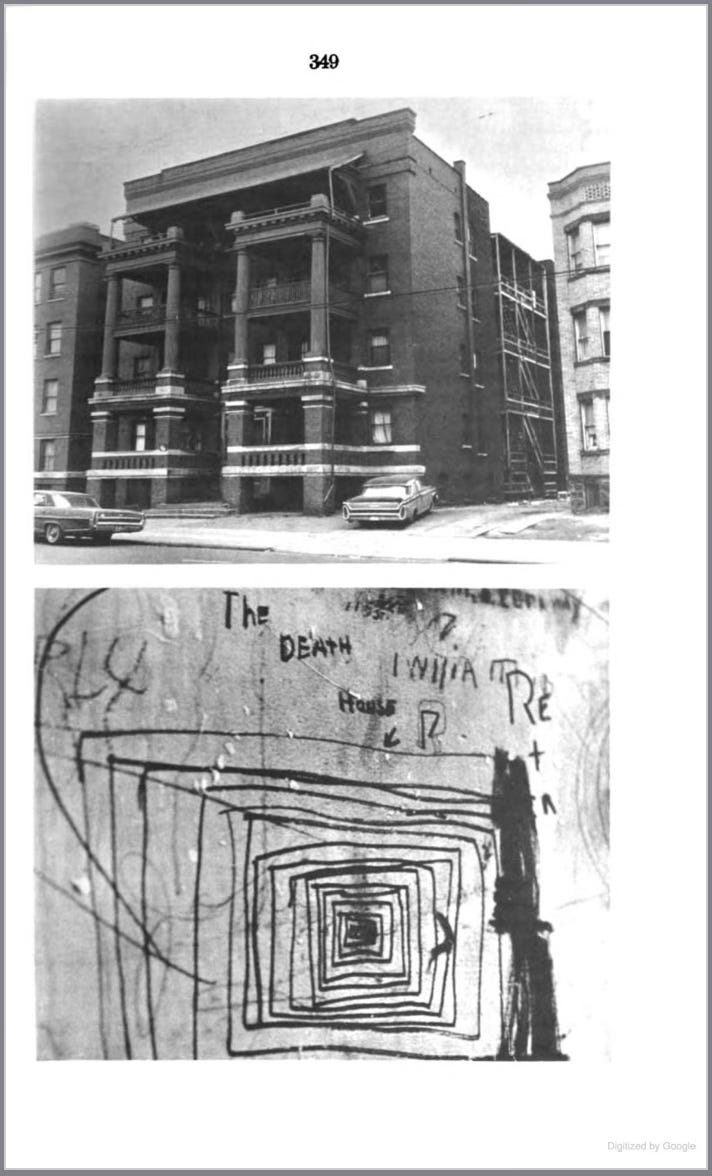
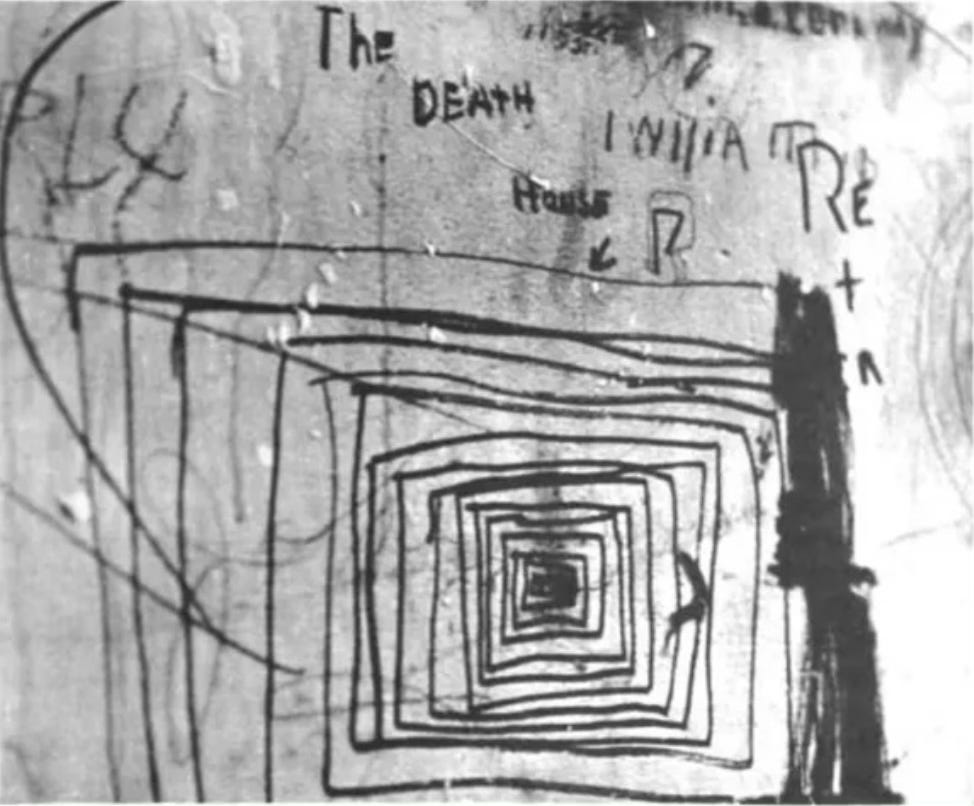
Note, especially, the account of the child’s drawing on p. 348, and its reproduction on p. 349, of what the kid called “The Death House.” I will never forget turning over the page, sitting at my table in the stacks, and staring at that.
But, really, study the whole thing; half of it is children’s pictures. It’s incredible. He was incredible.
We shall overcome, someday.