
Barns. Also, "Barns."
A Tuesday Twenty Pictures agricultural spectacular

I received a note on last week’s piece on Graham Platner from one Mary Angela Perna, who observes, “I, too, had a house in a rural town. In my case, the Catskills, and not the trendy/yuppy part of the Catskills—it was located in the area towards Binghamton, NY…. A very forgotten place. The kind of old town with Greek revivals, I had one (!) and a charming Main Street. The kind of place that has ‘so much potential,’ but never truly gets there…. The kind of area where people financially struggle and work long past retirement age. With multiple jobs.”
This last detail: yes.
Once, we bought a very stylish couch from a very stylish store in Chicago. Its “last mile” shipping to our cabin was outsourced to a firm—well, a “firm” that appeared to consist of a beaten-up truck, polite but defeated-looking middle-aged man, and that man’s father, who looked like he could have been eighty; suggesting, perhaps, that, actually, after lived a very hard life he was actually seventy.
Making a living lifting heavy furniture in service to childless upper-middle-class couples doing it up rural-style at their lake cabin.
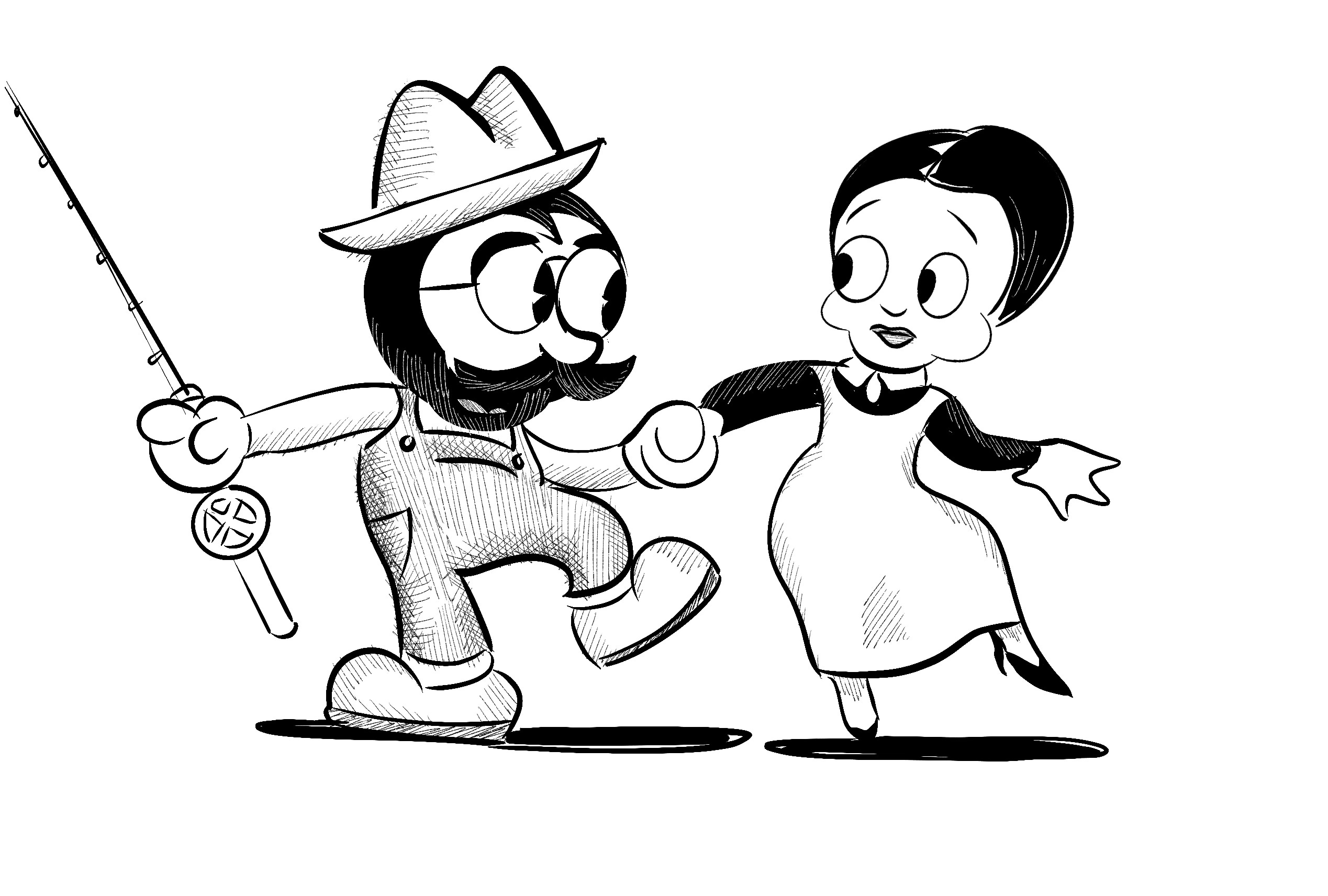
The detail about Main Street and its Greek revivals: that, too. Also gargantuan, gorgeous Victorian piles. In some towns, there are five or six, and a couple will be admirably well-kept, maybe by the family who owns the county’s John Deere concession. The rest—well, maybe that’s where the owner of the tractor-part factory used to lived, before NAFTA put him out of business back in the 1990s.
Some look like ghost towns. Memorably, at one of them, you can visit the apartment where Ronald Reagan was born—although, last I heard, the museum was in danger of shutting down for lack of funds.
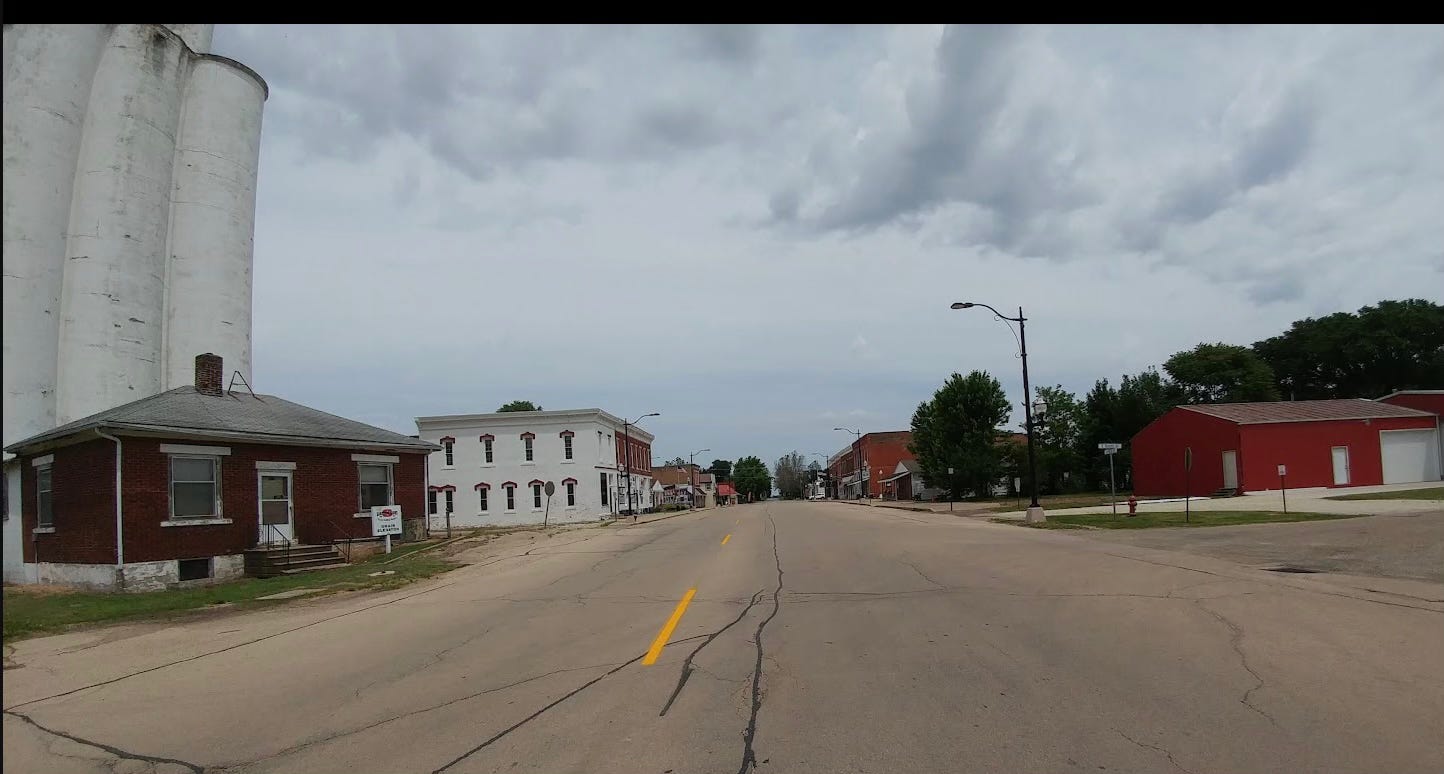
And another sad such downtown sits five miles from our little dacha.
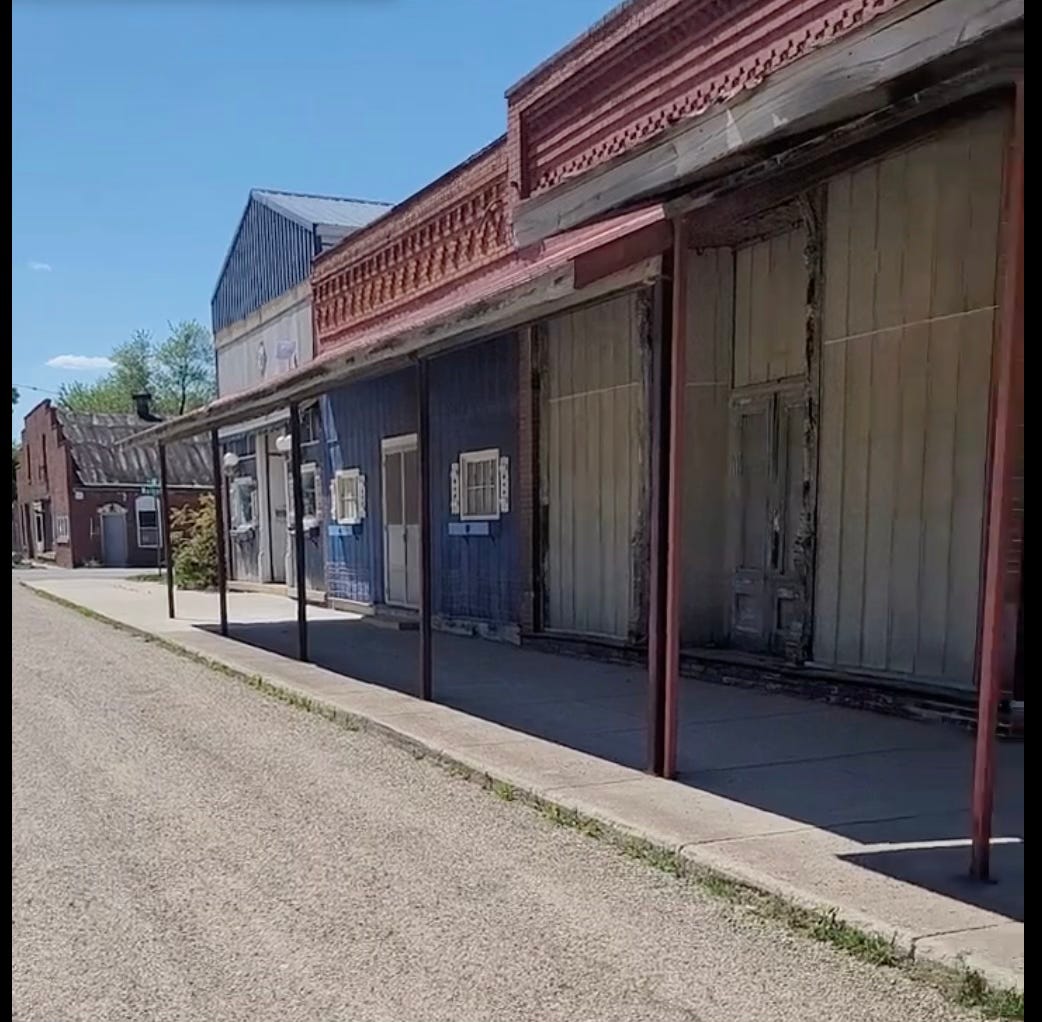
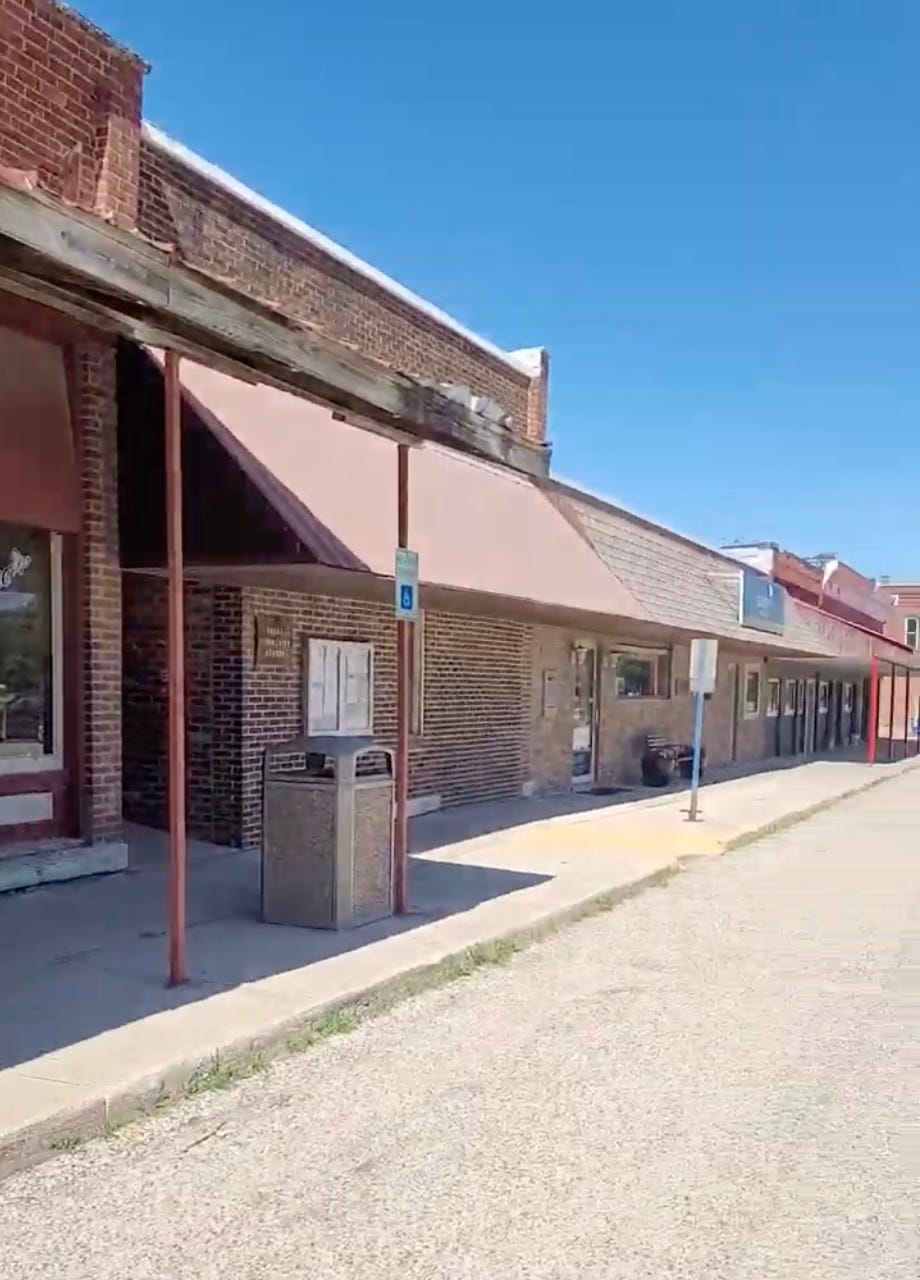
They are mysterious to me, small towns. One storefront, above, houses a pet store that is said to vend live bait, but I’ve never been able to find out, because I’ve never found it open. So I go ten miles away to for my wax worms, to Henry, which is another kind of small town: a pretty-much thriving one, where new businesses sometimes open, and you find people out and about. Why one is turns out one way, and one the other, I have no idea. It feels random.
I write, I freely adit, from a place of ignoranc. This here is an essay, un essai, an “attempt.” My normal professional mode, before offering an opinion about the world I think respectable enough to appear under the authority of my name, is to research and research and research, to store up file upon file of notes: one one, say, the industrial and labor history of the Illinois River Valley; another with interviews with the local griots; passages from some classics rural sociology; a file, maybe, of insights from releveant novels (Willa Cather? Sinclair Lewis? Emma Bovary?); on basic agronomy; stuff cut and pasted from deep dives undertook for The Invisible Bridge (on Nixon’s and Ford’s Agricultural Secretary, Earl Butz, remembered only for getting cashiered for a racist dirty joke but not for effectuating policies that did more violence to America’s natural environment than perhaps any human that ever lived) and Reaganland (the beginnings of the farm crisis that in 1979 which saw thousands of farmers drive tractors to Washington D.C. and downtown hostage, almost like terrorists).
And before you know it I have another fucking eight-hundred page book.
This it not that that. These are naked-eye observations; and, hopefully, thoughtful surmises thereupon. The observations will have to do with barns.
Also, “barns.
You know what barns “look like.” They look like what you see in coloring books. Or one in the image at the end of the tunnel in the machine you optometrist has you look through test something or another about your eyes. Like—you know—this:
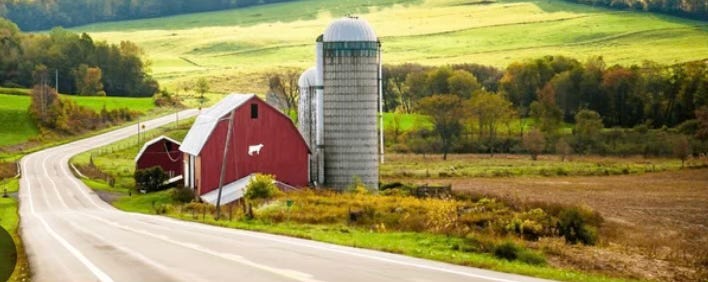
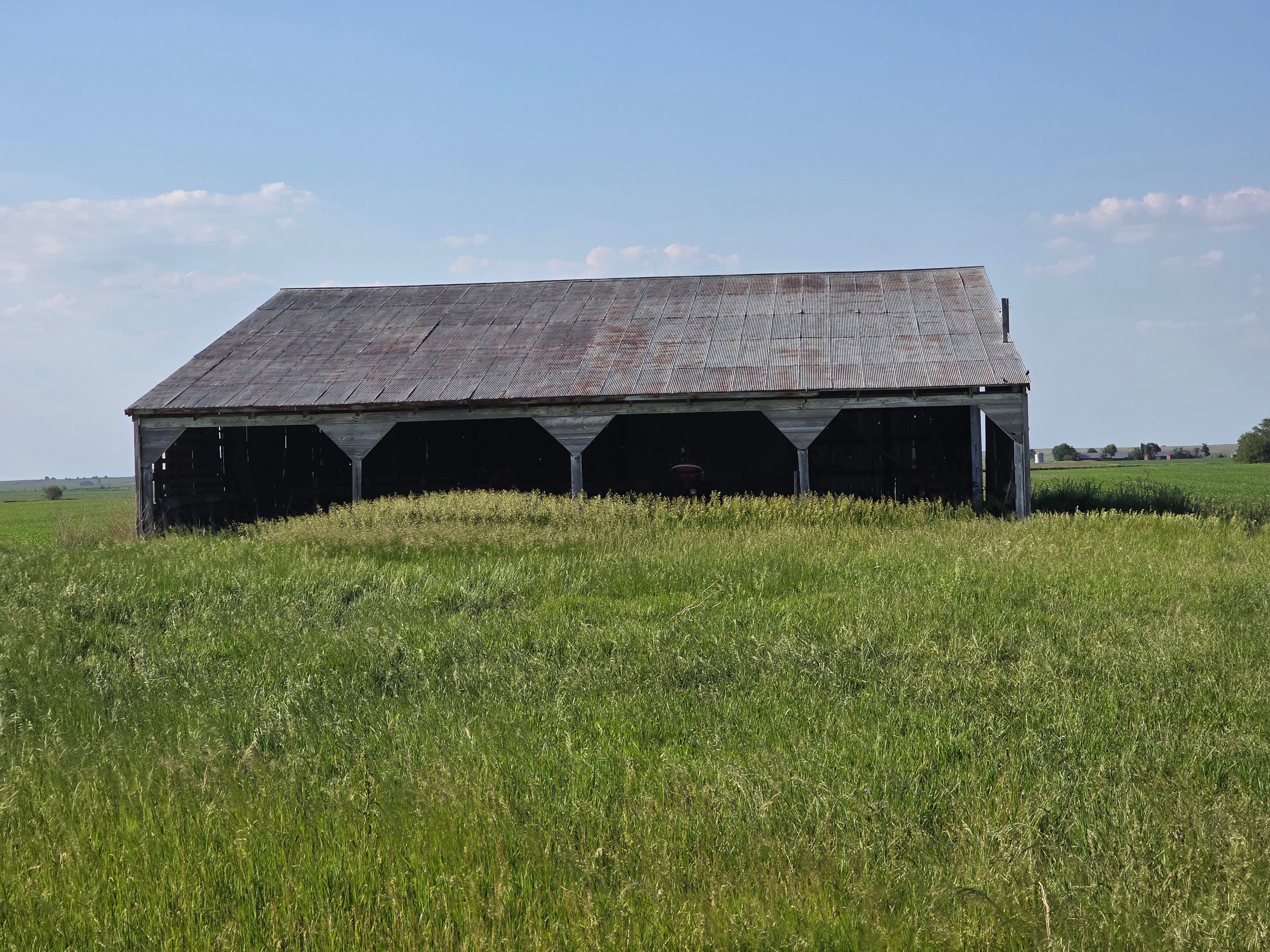
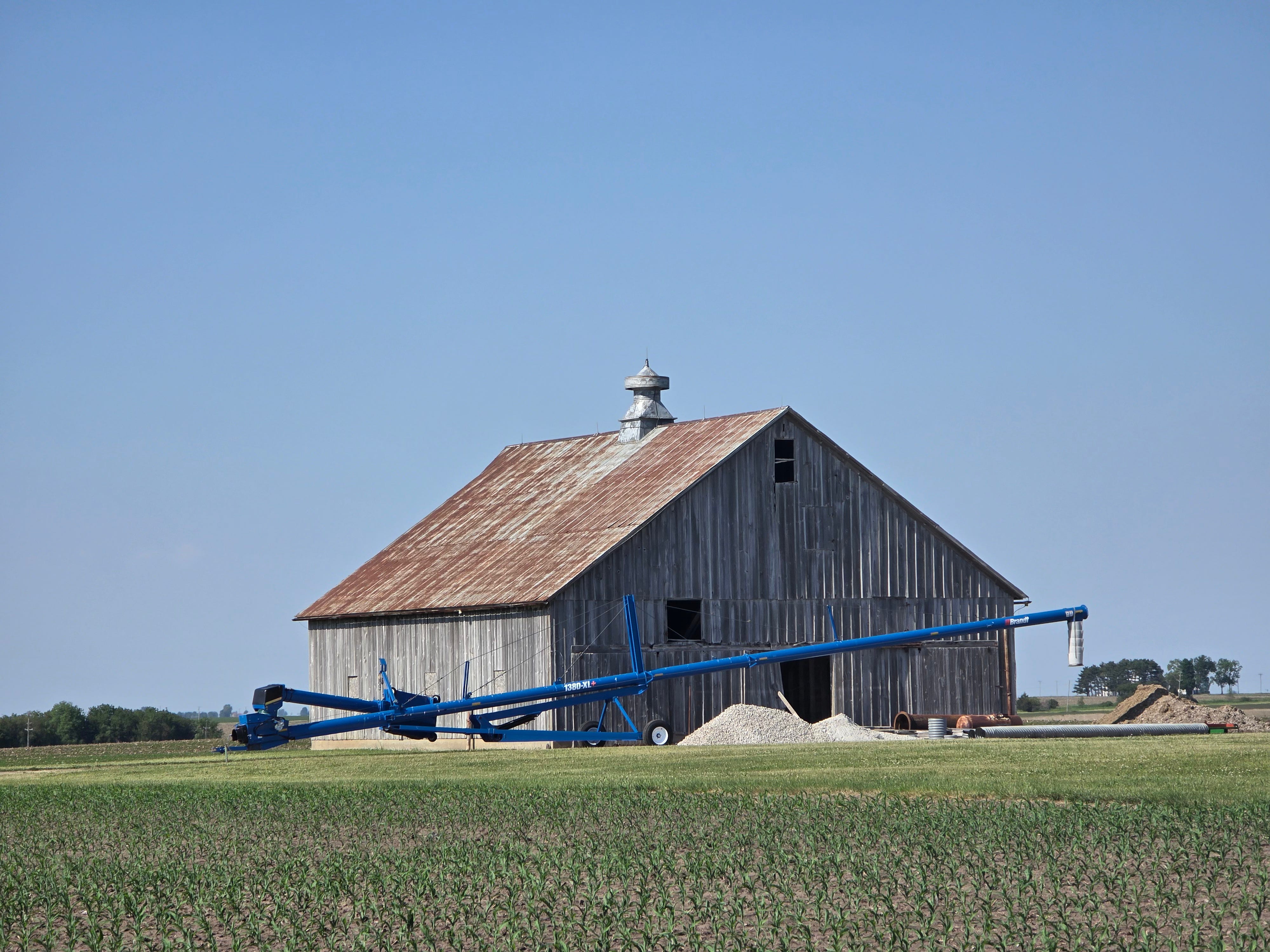
City slicker, I hate to disabuse you. Now, barns—Merriam-Webster “a large building used to store farm products (like grain or hay) and to house livestock or farm equipment”—look like this:
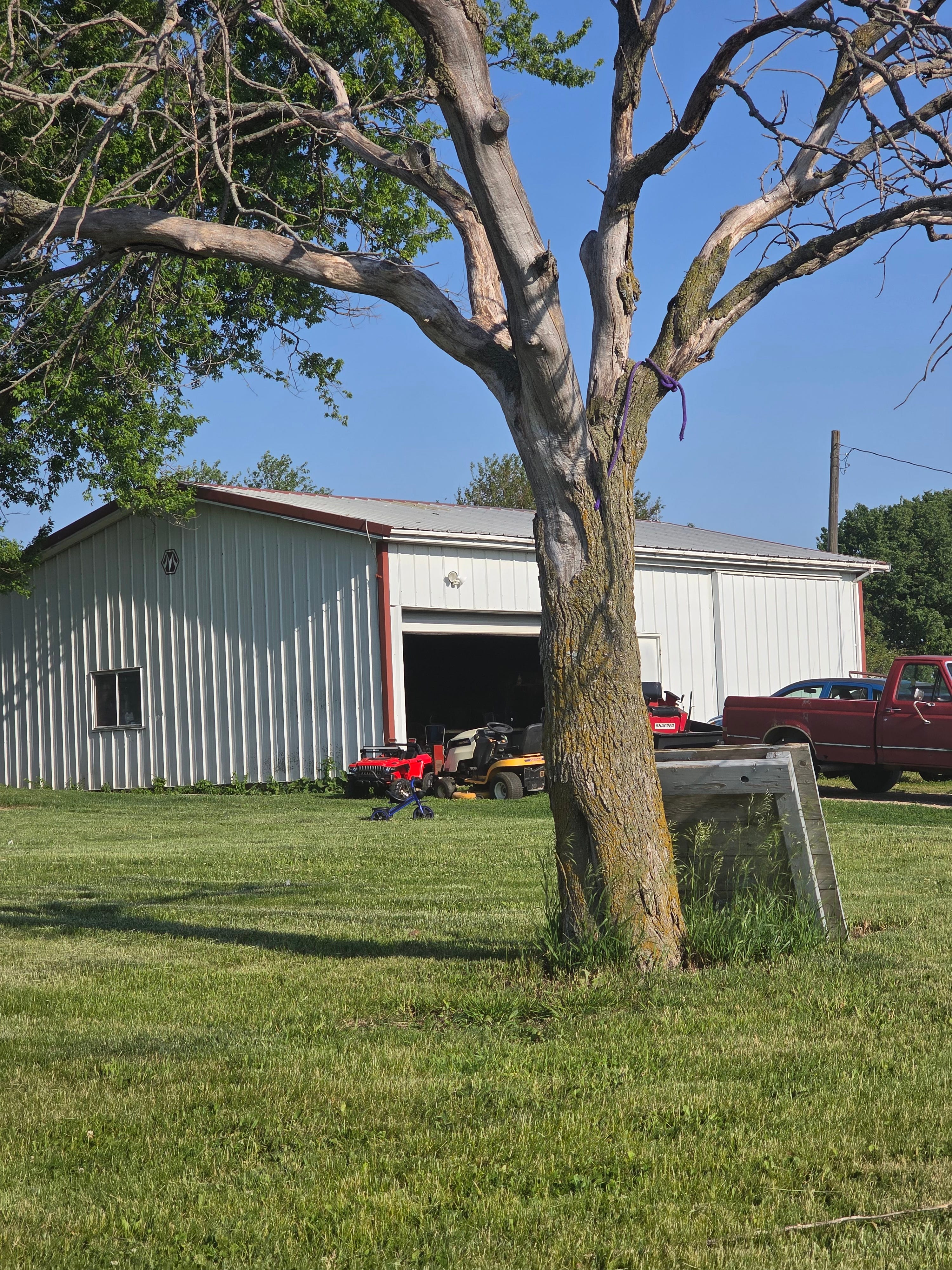
If you actually want one yourself, google “metal building,” because that is what, in 2026, they are called. You can order one online like it for about $40,0000.
And that round thing next to the barn? City-slicker, meet silo:
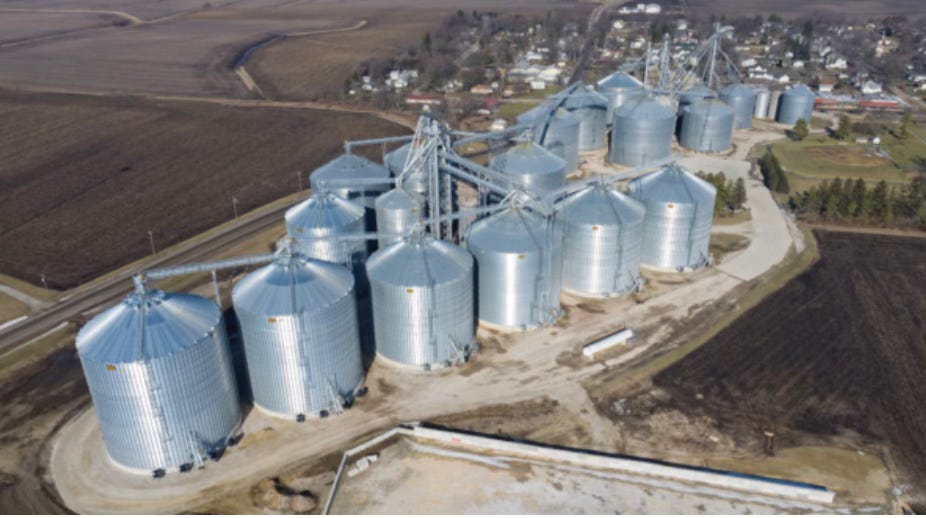
That’s the Varna Farmers Cooperative Association, where grain around those is parts stored upon harvesting. Complexes like that dot farm country every couple of miles. Trace your finger to the middle of the picture, horizontally, then up to the top of the giant aluminum tower, right before the houses start, and you can almost by see the sad little Main Street of Varna, Illinois, which is what it depicted in the photos above it, the one with the pet store that is never open.
**
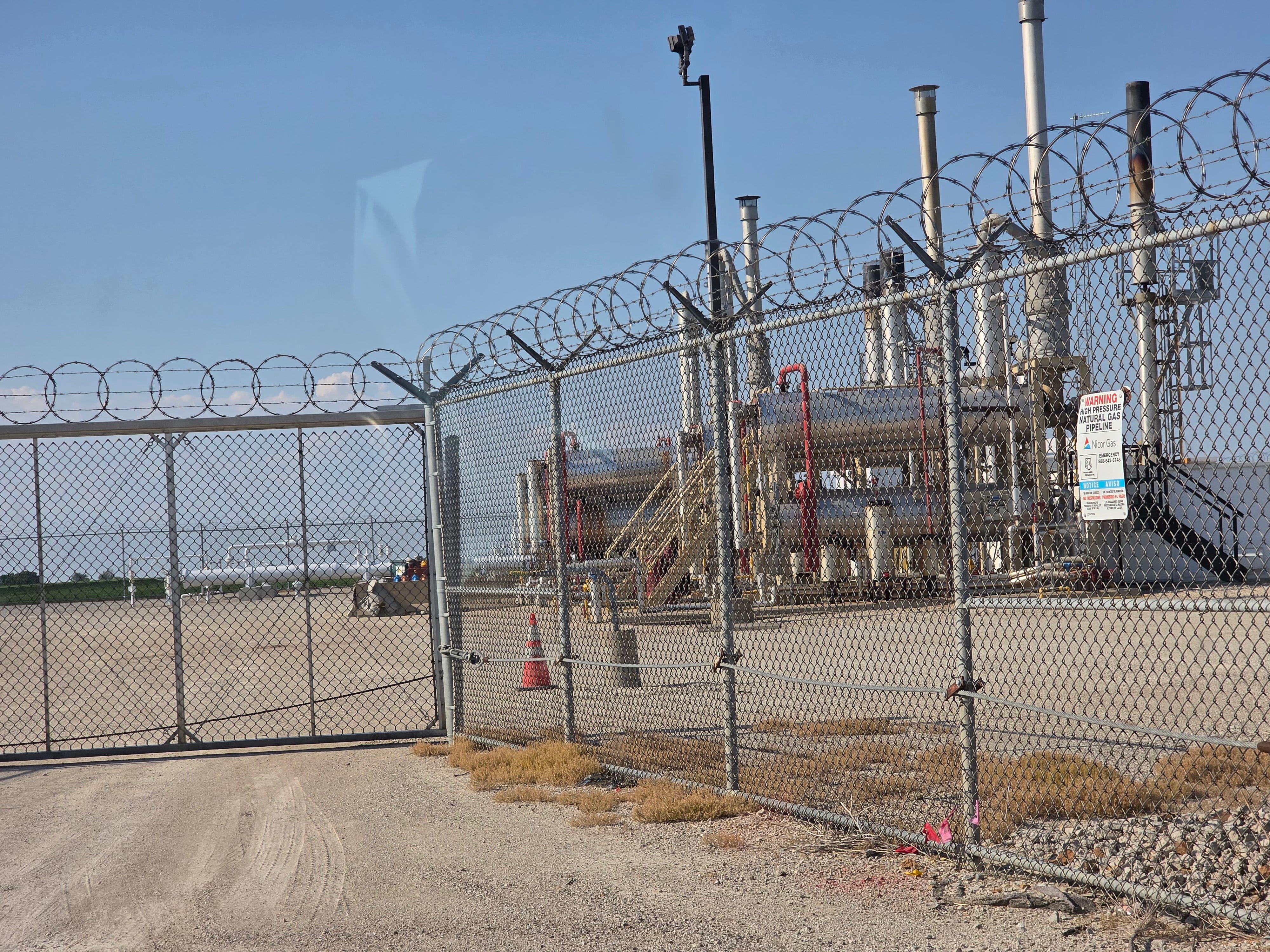
Farming, it is not original to observe, is no longer a particularly romantic business. It is, as the economists put it, a “capital intensive” business. It became, since the days of Earl Butz (Invisible Bridge and Reaganland, op. cit.), shifting federal subsidies, low interest rates, and outright ideological indoctrination (“Get bigger, get better, or get out,” was the mantra pushed by Ag. Sec. Butz, imploring farmers to plant “fence-row to fence-row” at industrial scale) incentivized farmers mortgage to themselves to the gills (see “farm crisis,” above) to buy more and more man land and more and more massive, soil-chewing, crop-crunching, computer-assisted factories on wheels (Yes, of course I obsessively take pictures of those, too), less a “family” kind of business than a corporate, consolidating kind business)
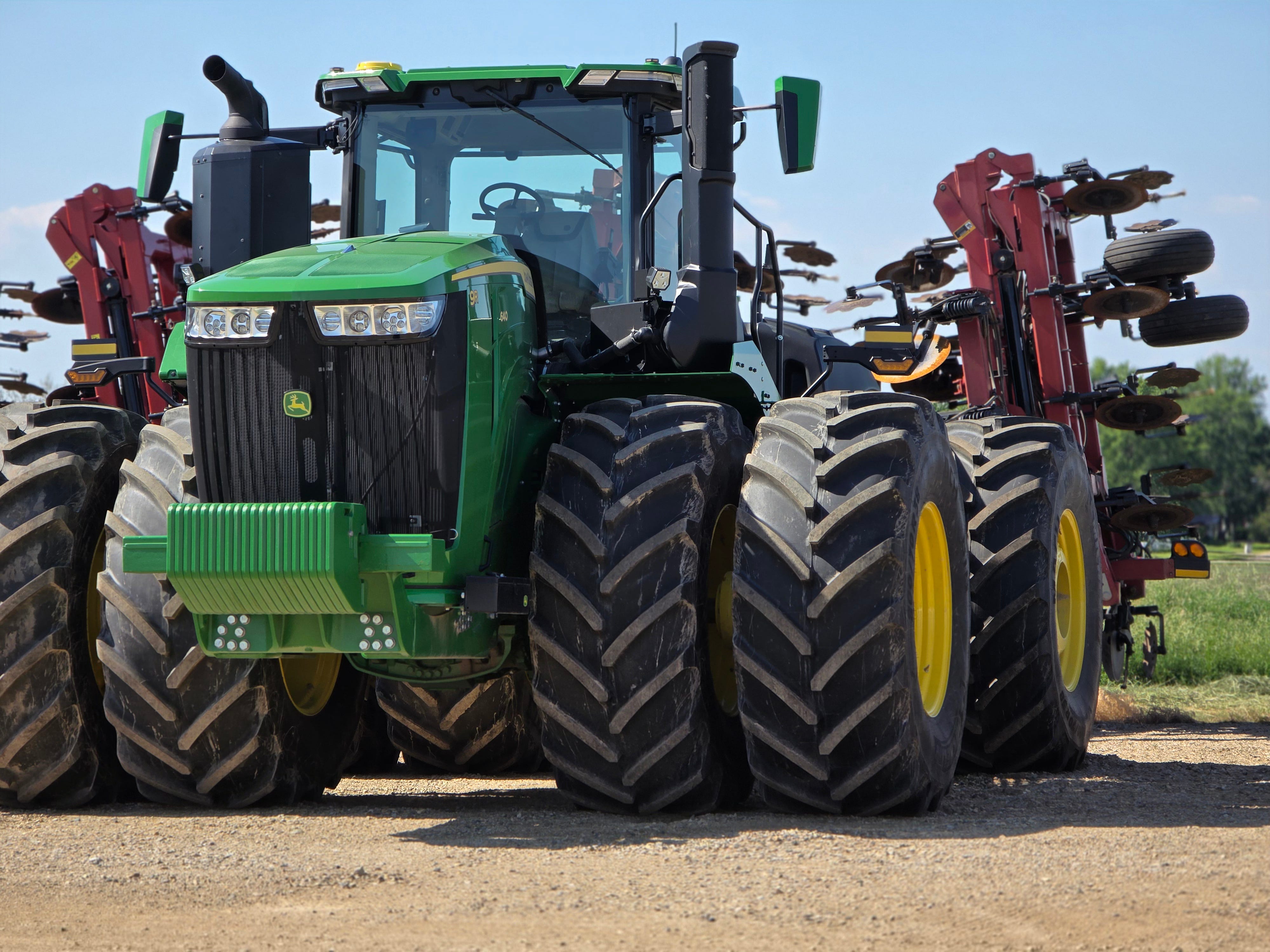
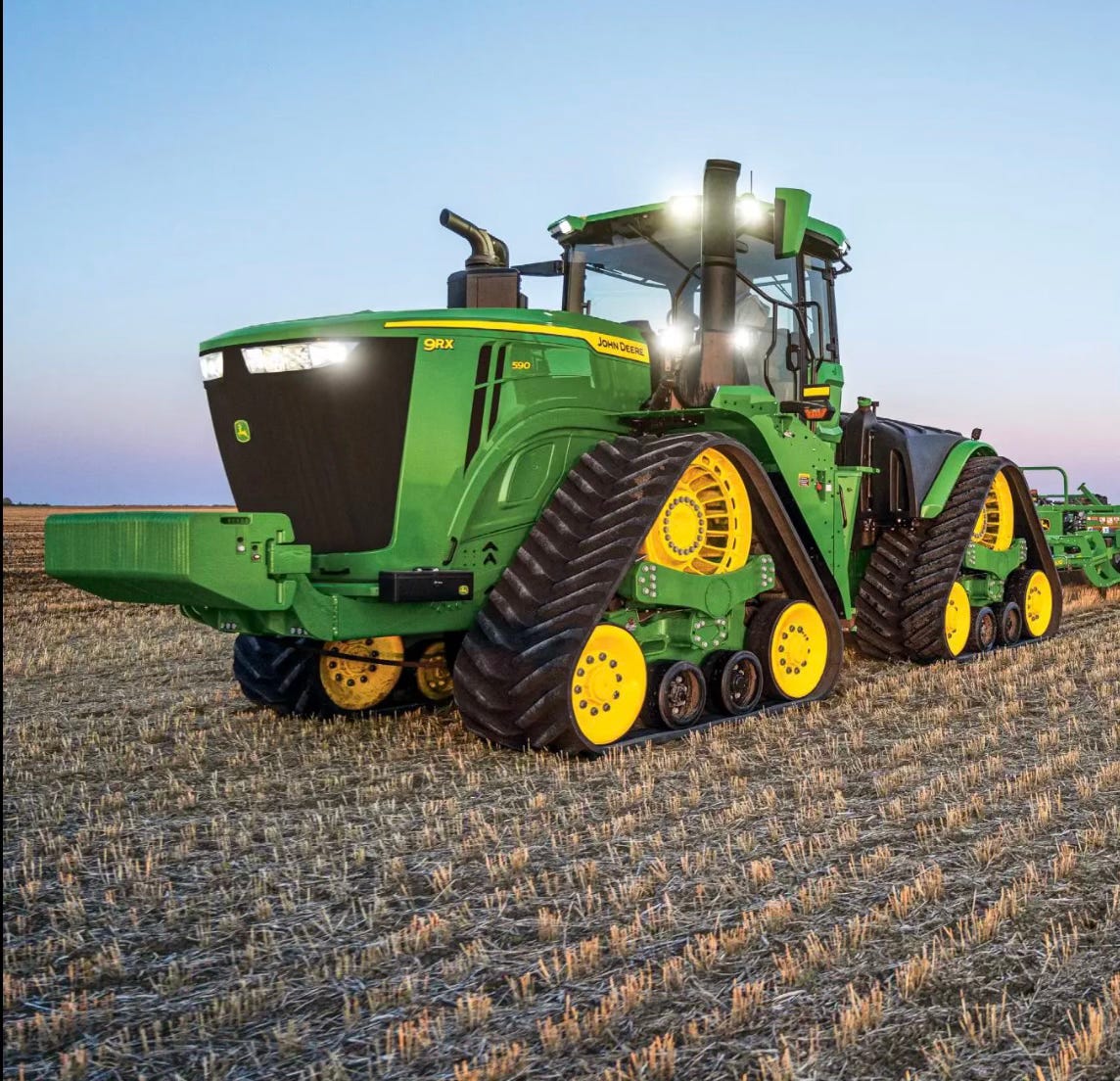
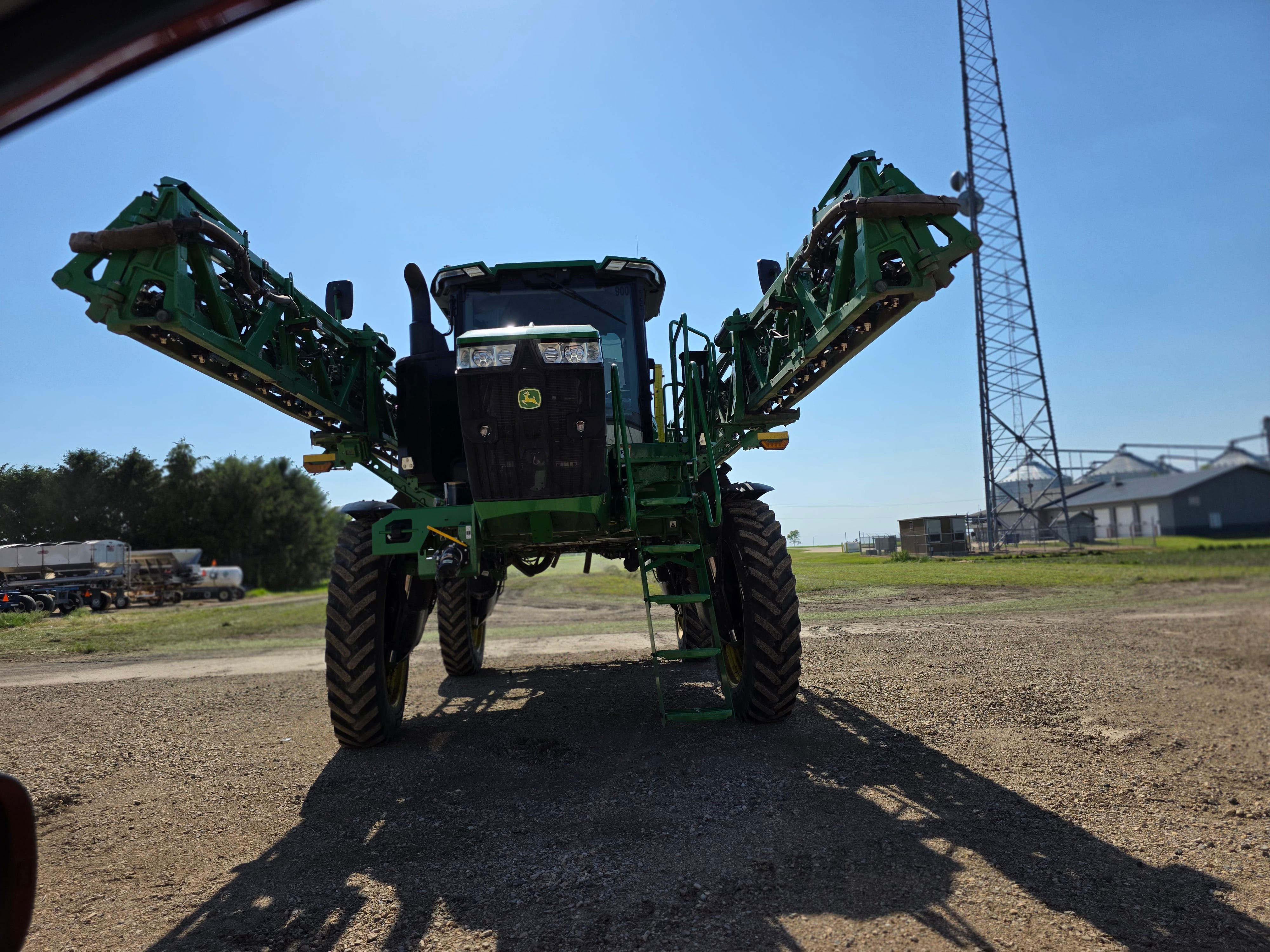
A successful farm operation is, as one of my favorite writers on political economy has very usefully documented over the years, a cog in optimized supply chains, farmers merely inputs with no independent volition of their own—about what to grow, what “inputs” to grow it with, and how to harvest store, and sell it. Which is to say, the thing that makes modern farmers modern is that “farmers” hardly resemble the idealized independent yeoman of yore, the more every year. Watch the 2007 documentary King Corn, which gets at this all exquisitely well, you’re interested in diving deeper.
Also, if those derelict downtowns are any indication, is is not much of a community-supporting enterprise. Some people in these communities might be getting rich on this stuff, but they’re probably the ones putting up the Oz-like aluminum towers; certainly not the father-and-son teams furniture who should be collecting pensions but instead are humping rich people’s furniture. Not romantic. Not worthy of coloring books, nor optometrical contraptions.
Which brings us, finally, back to those barns. And, also, the “barns.”
**
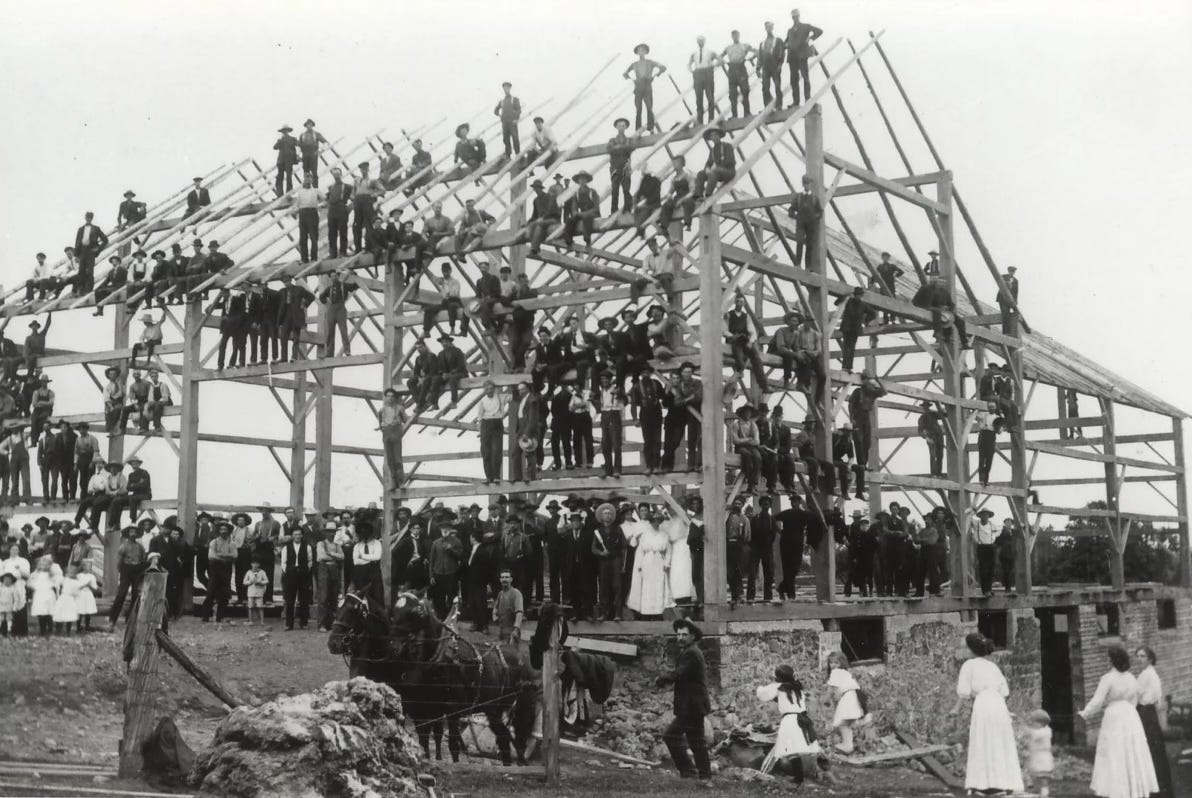
One of my favorite piece of political wisdom comes from Lyndon Baines Johnson’s mentor, House Speaker Sam Rayburn, who said “Anyone jackass can knock down a barn, but it takes a carpenter to build one.” Though, as we have seen, carpenters don’t build barns anymore; nor do communities “raise” them.
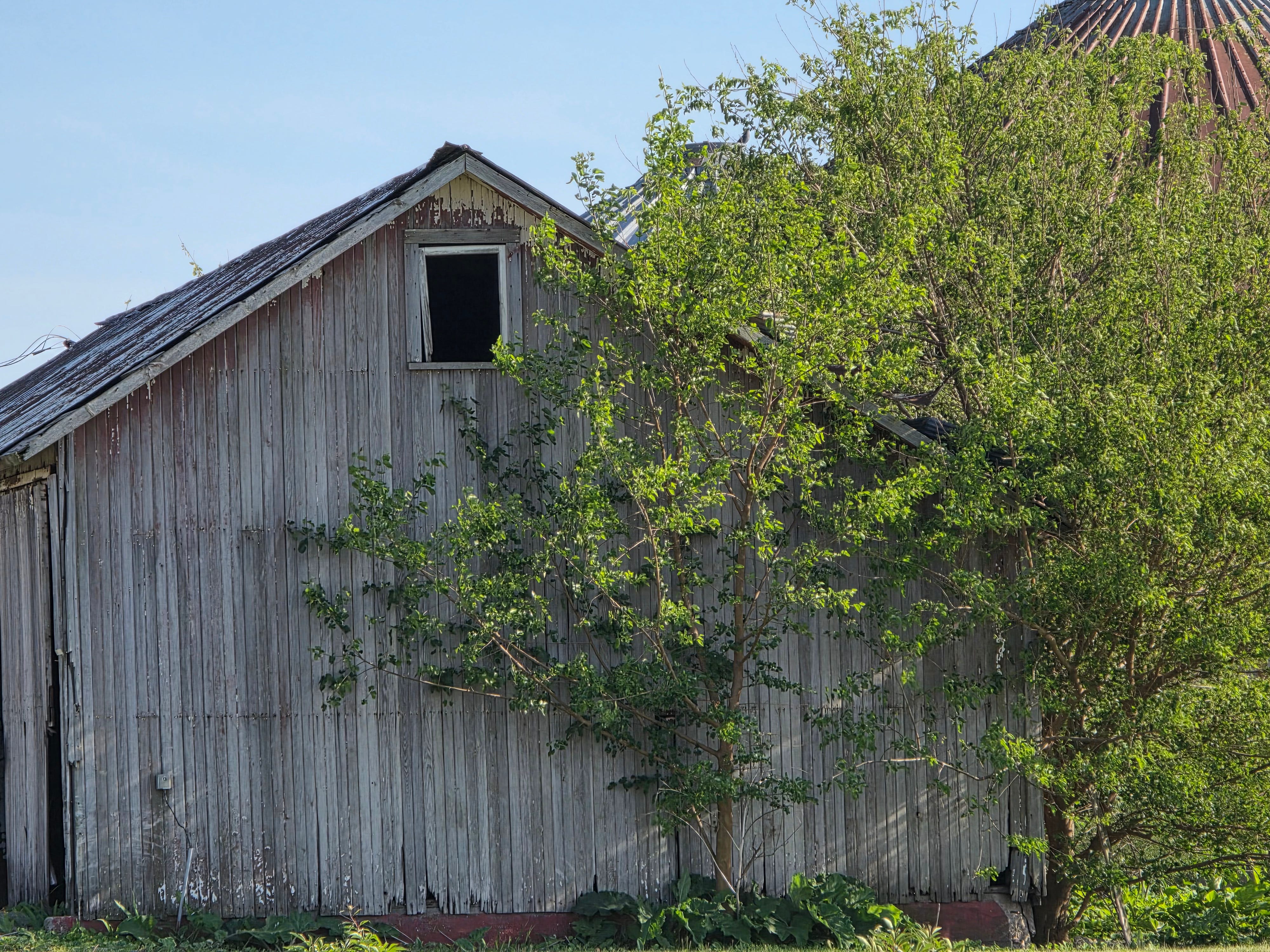
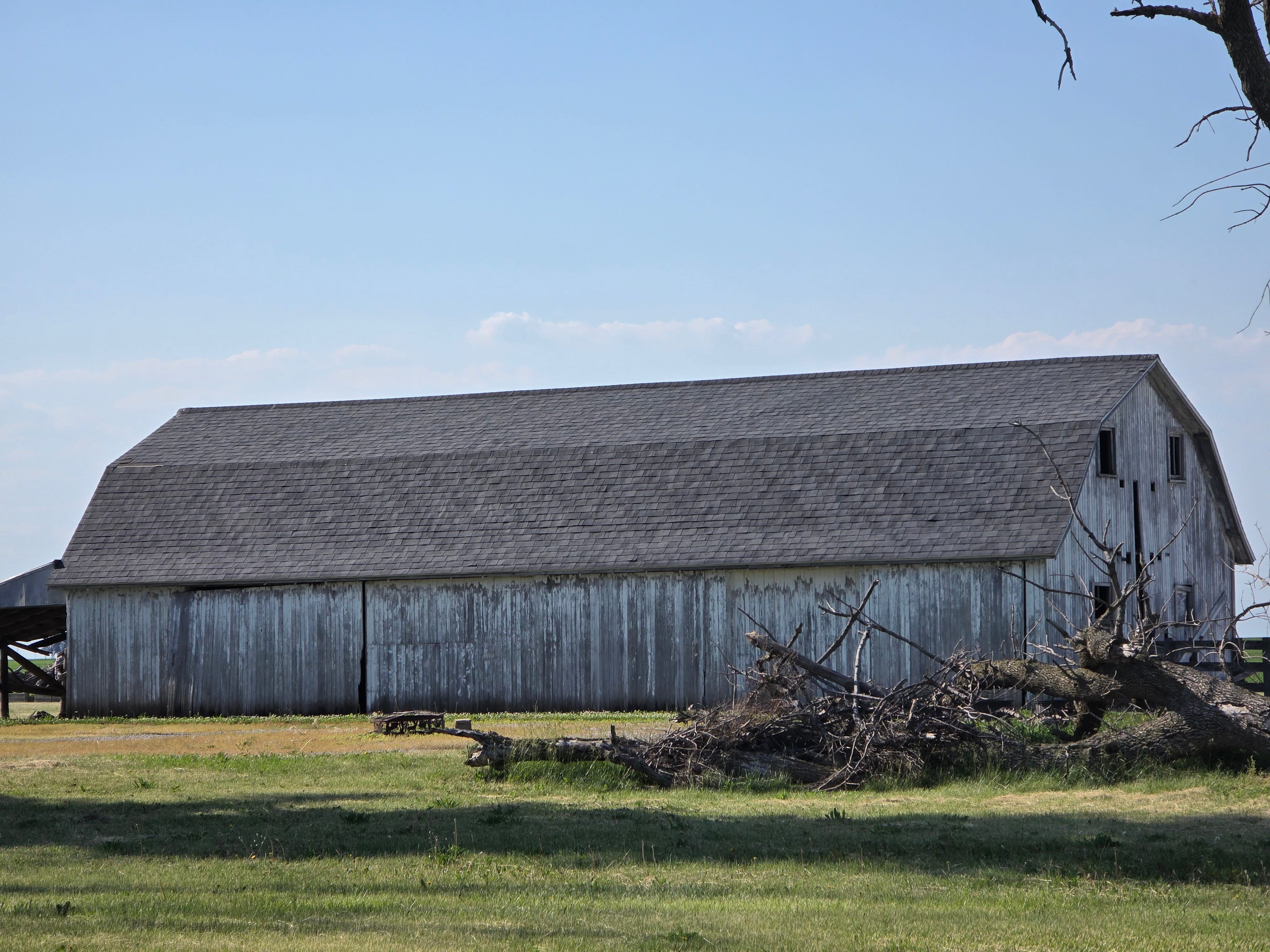
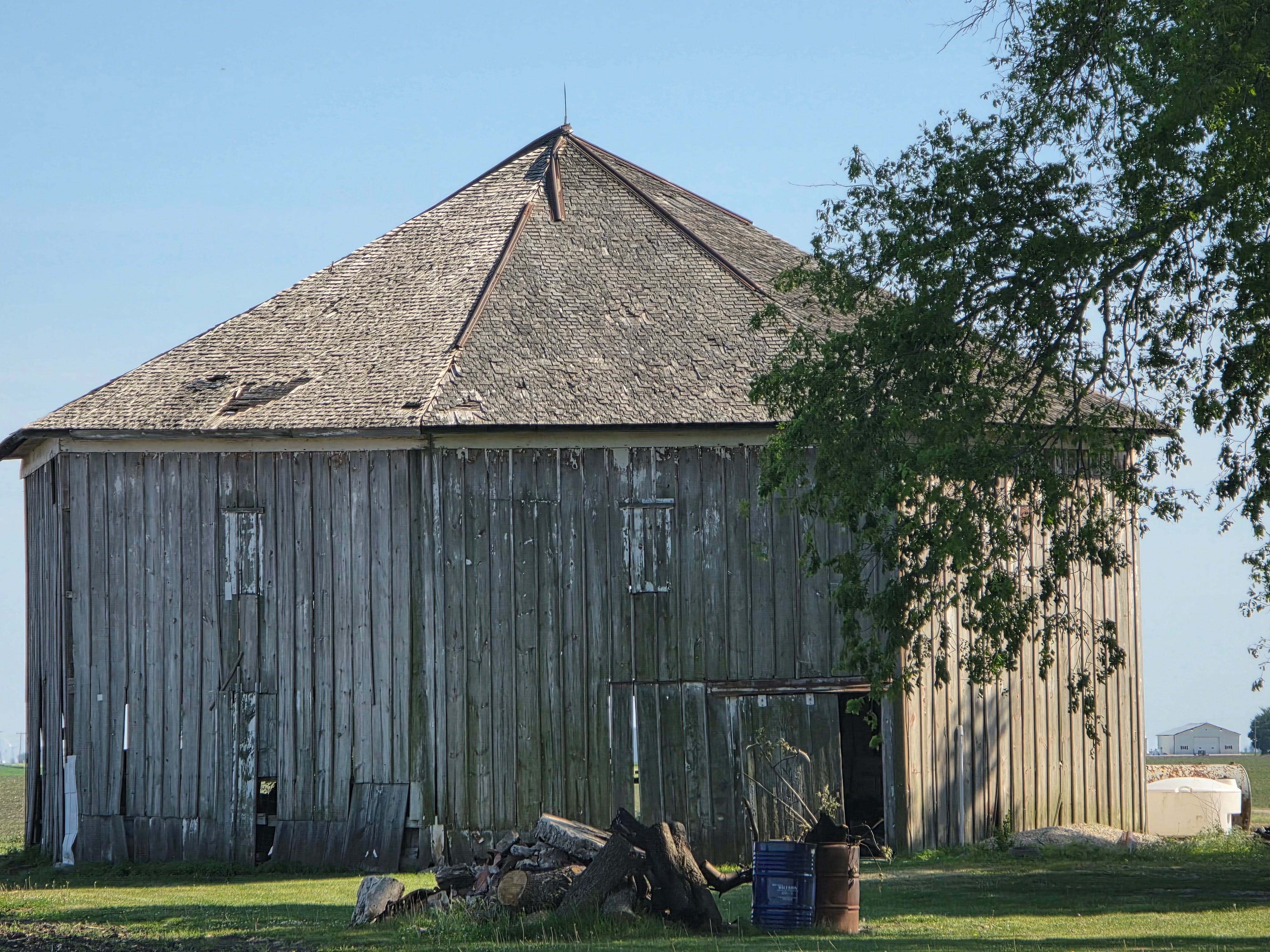
Also, they are not often knocked down. Look, above, at that white shed, the one bisected by the big tree. A couple of dozen yards away, on the same property, one finds this building:
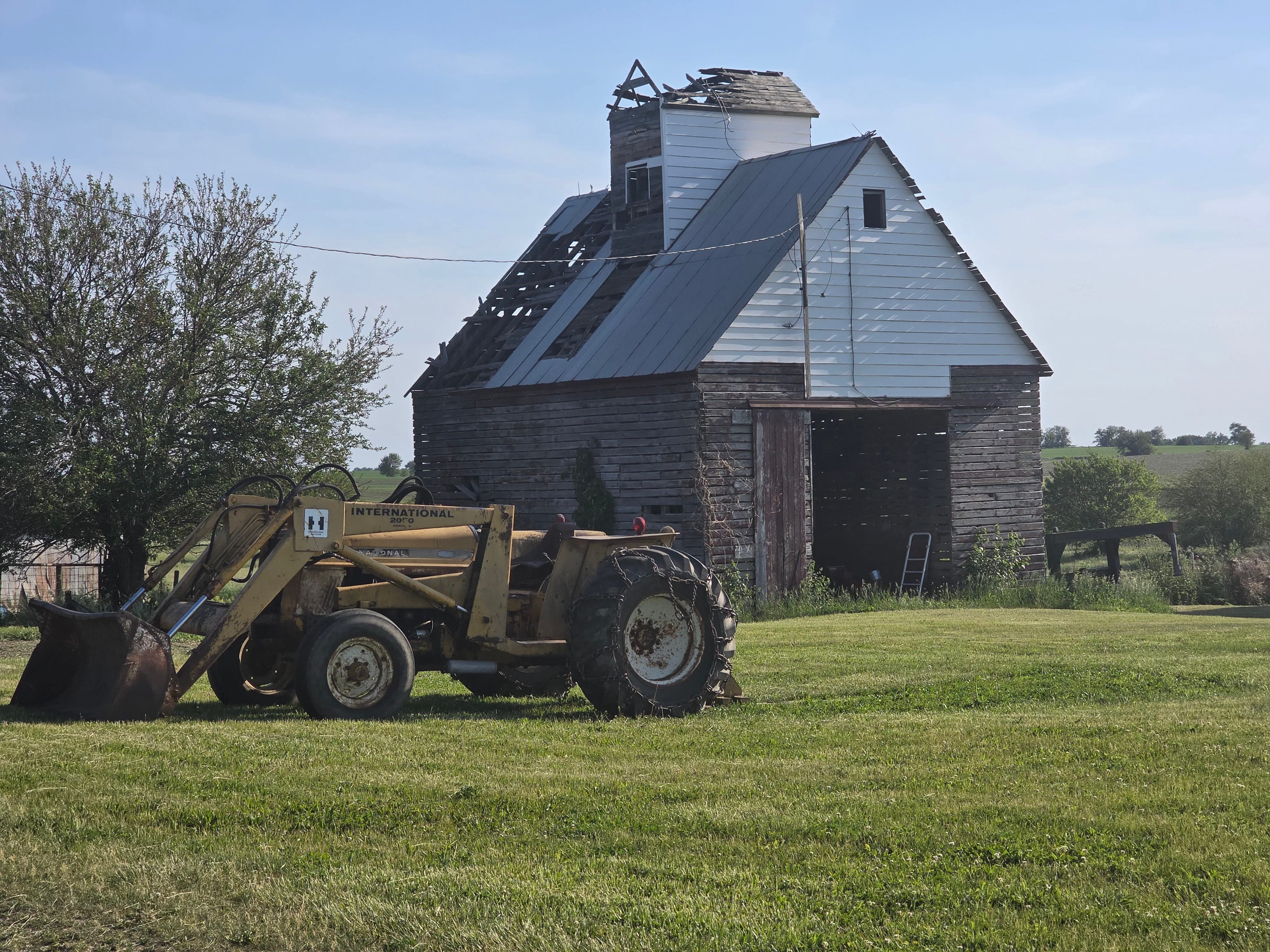
And, in between those two, this one:
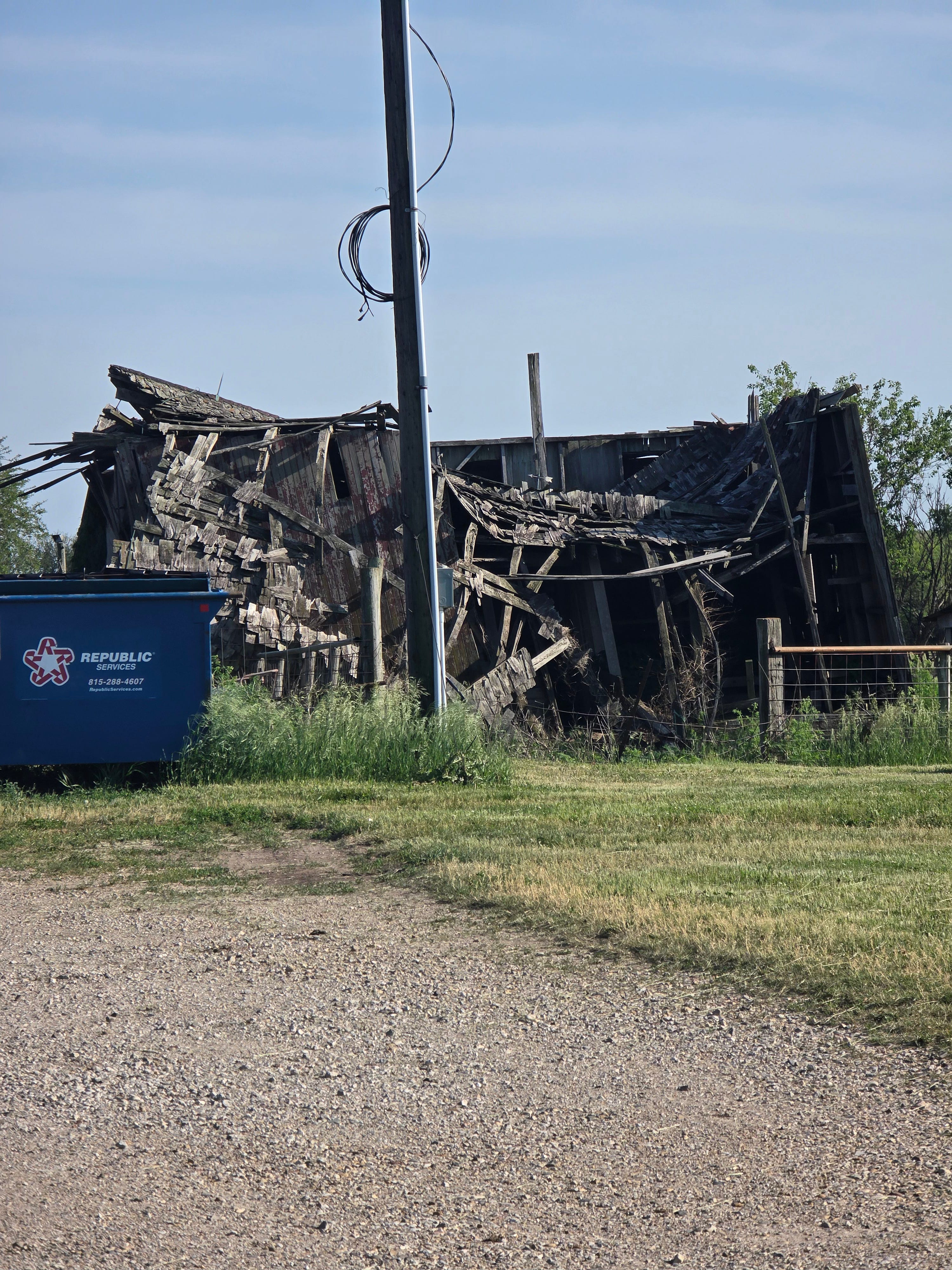
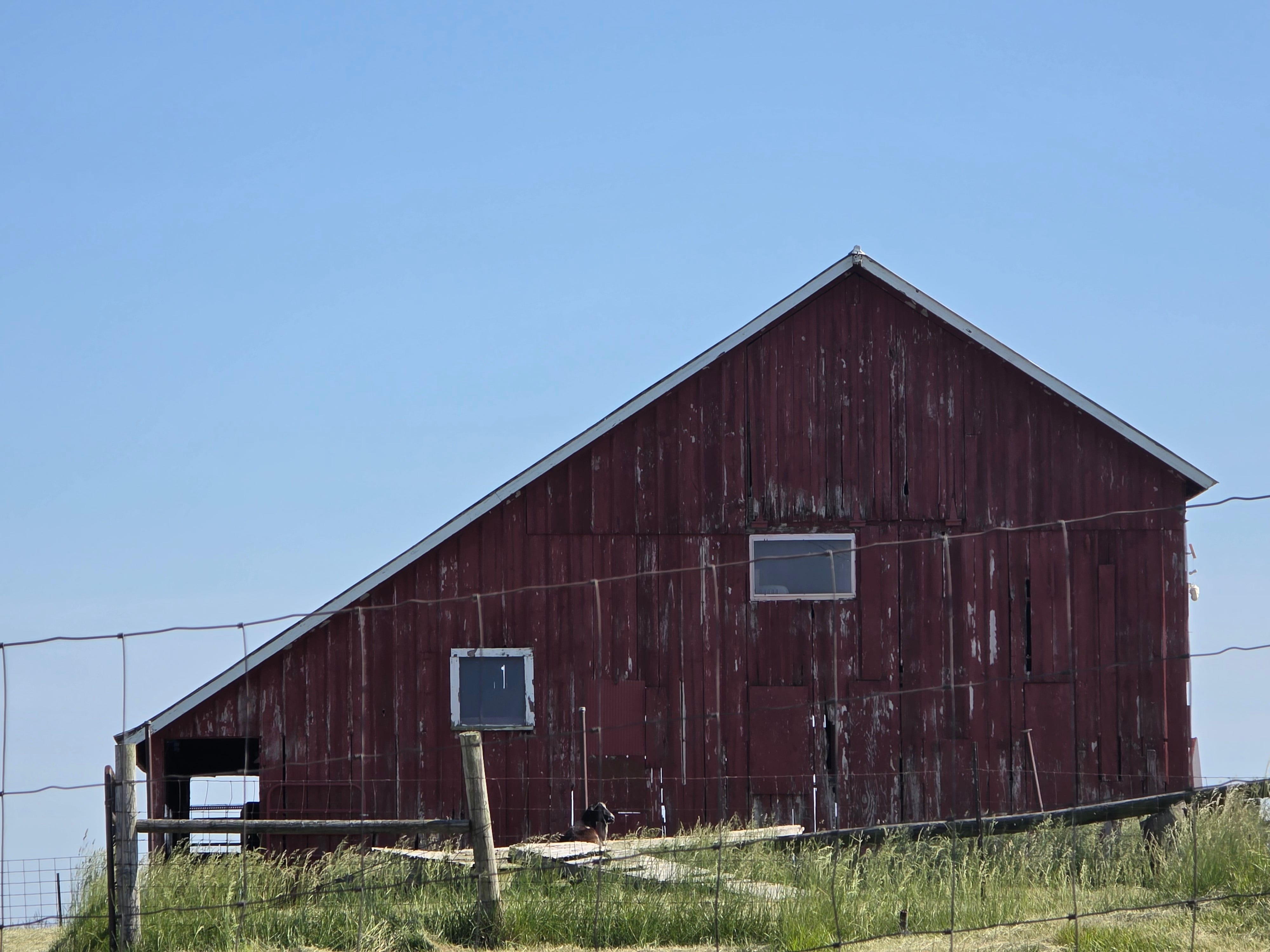
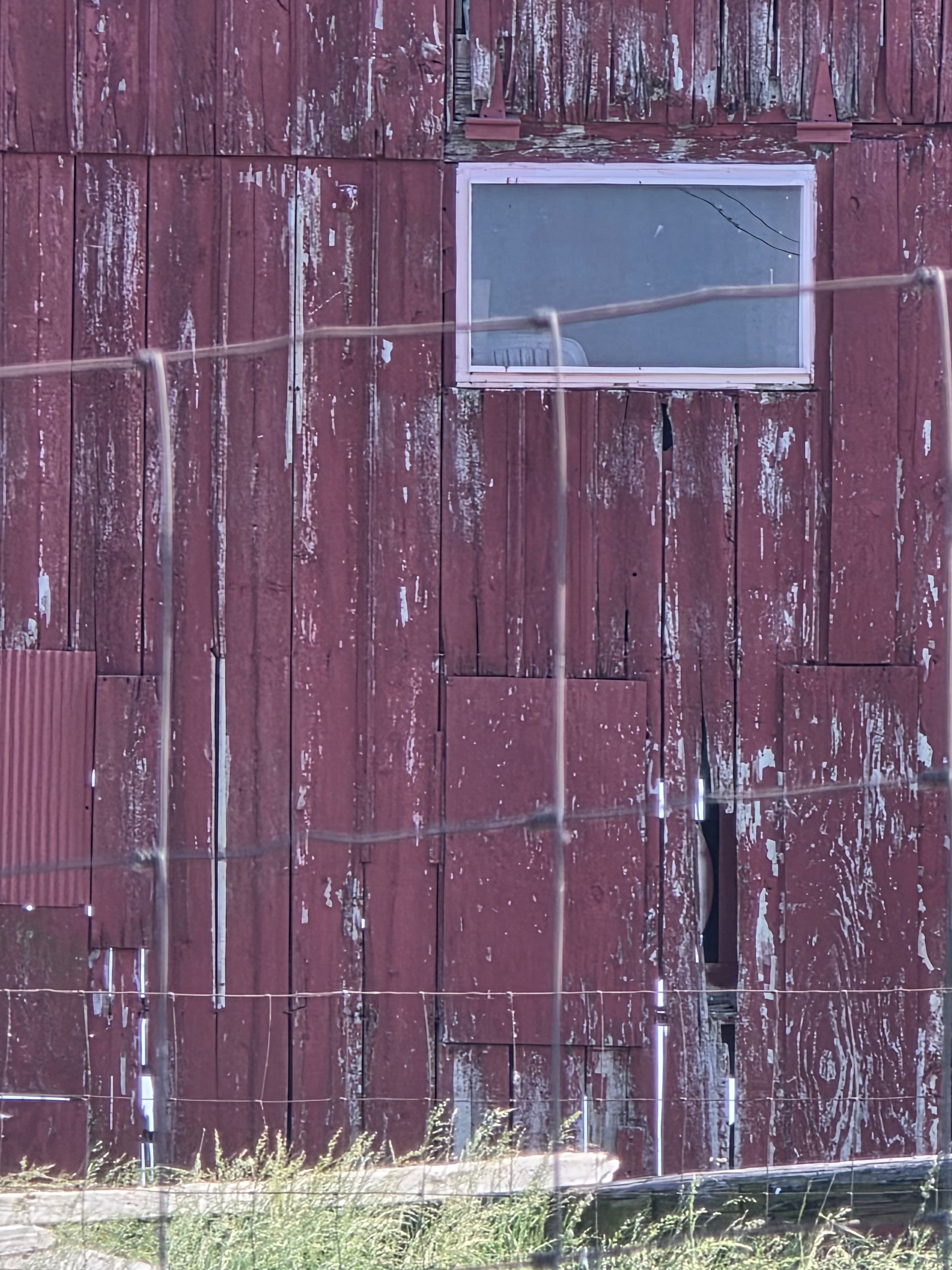
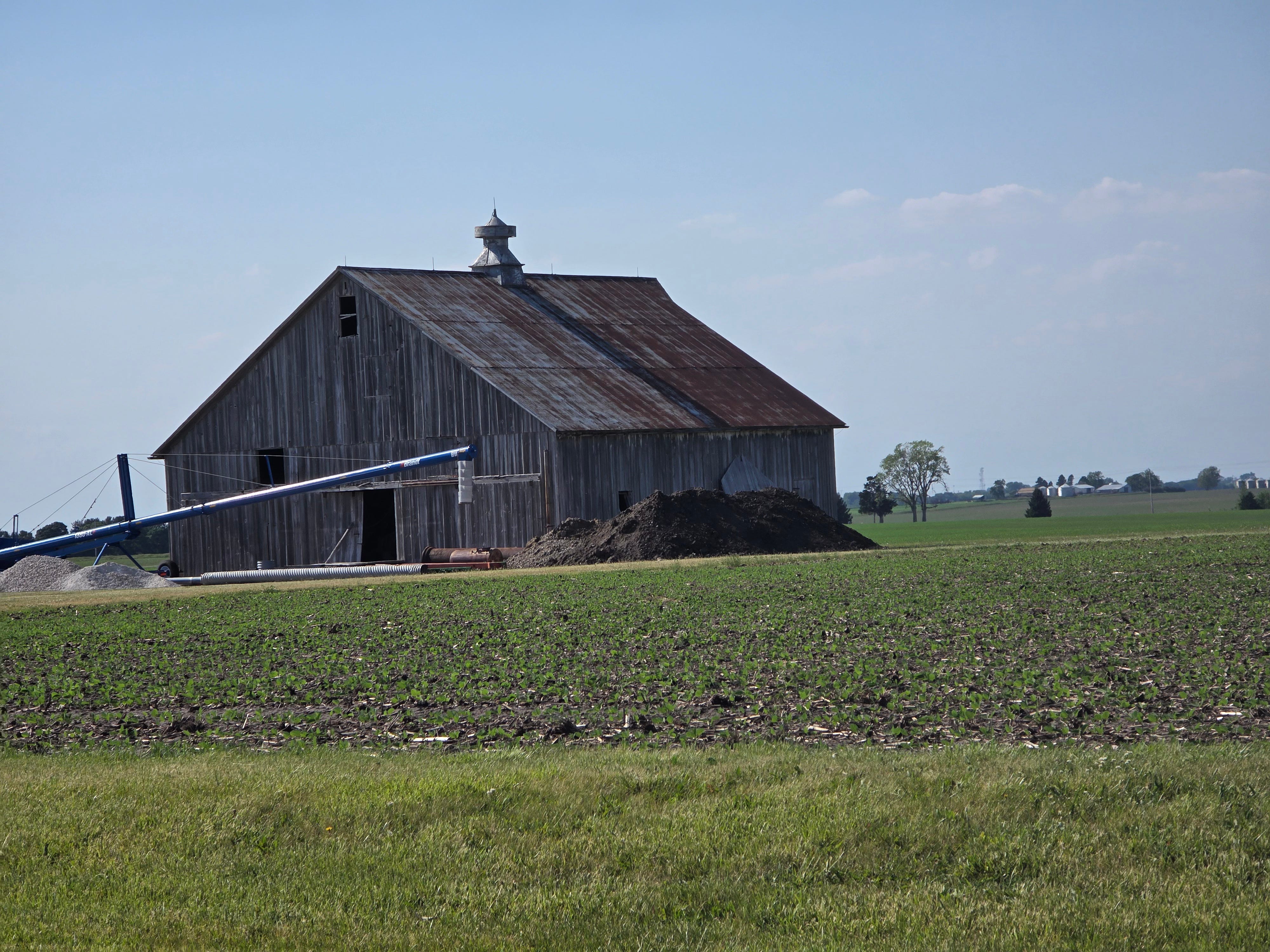
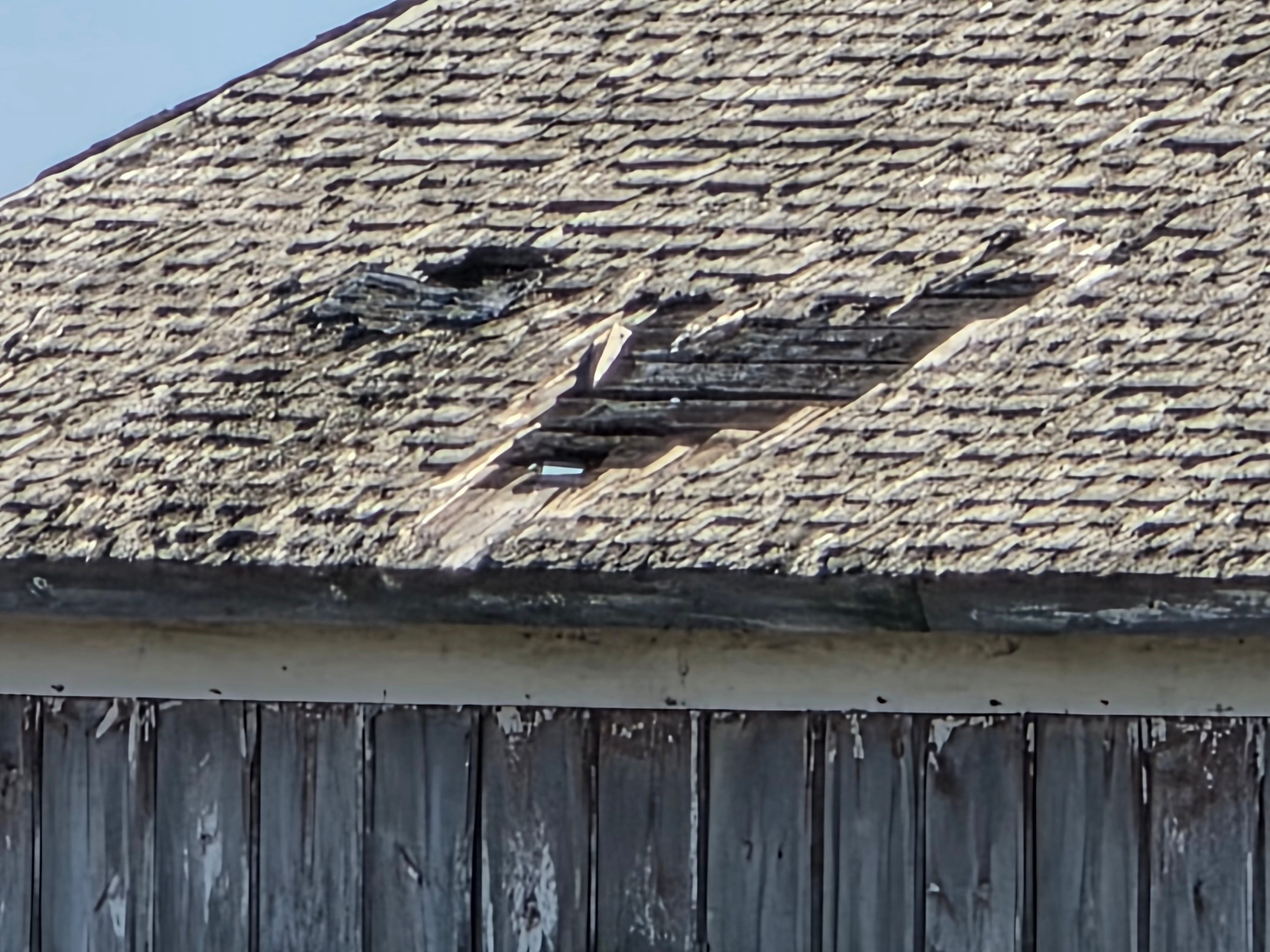
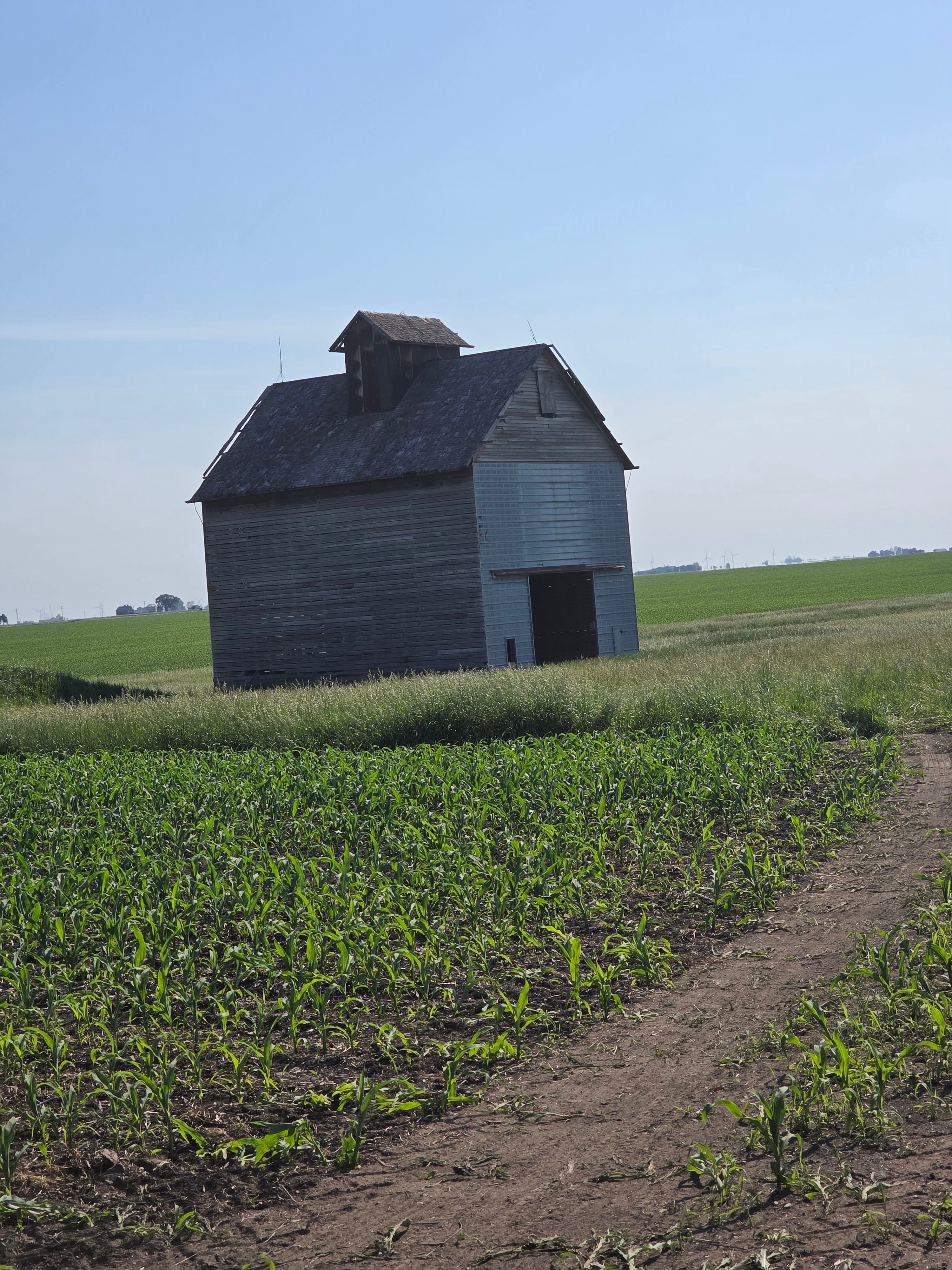
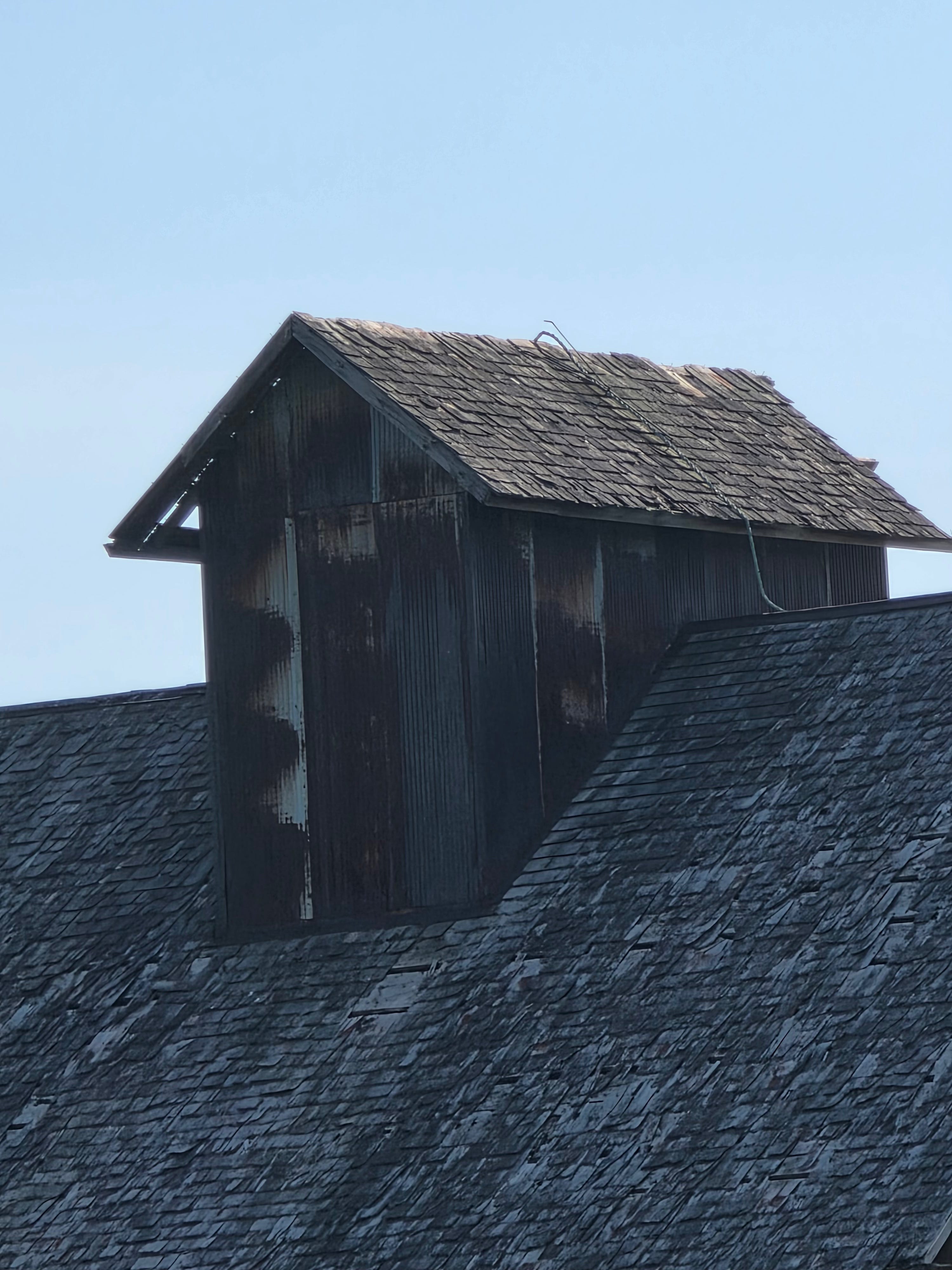
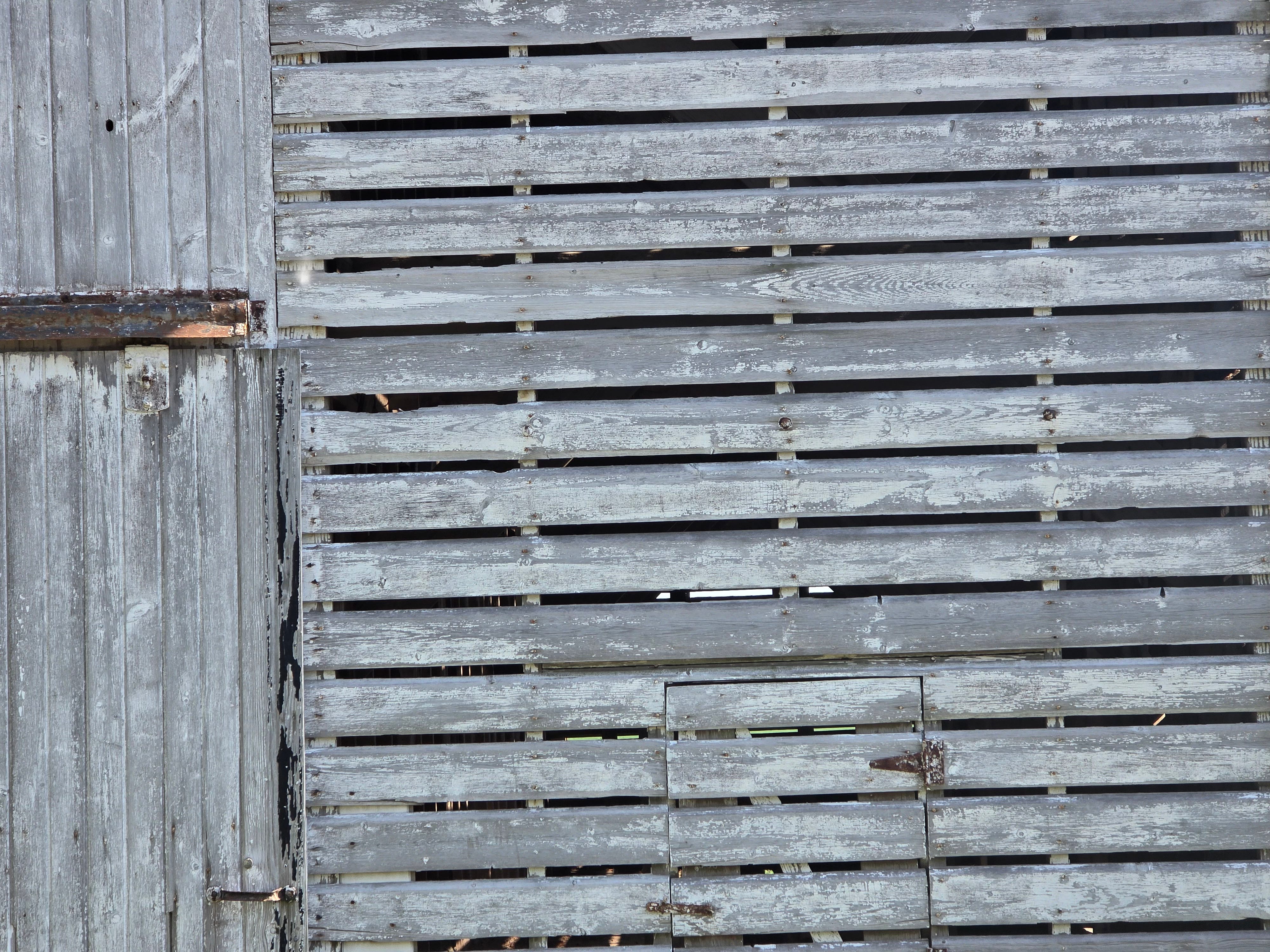
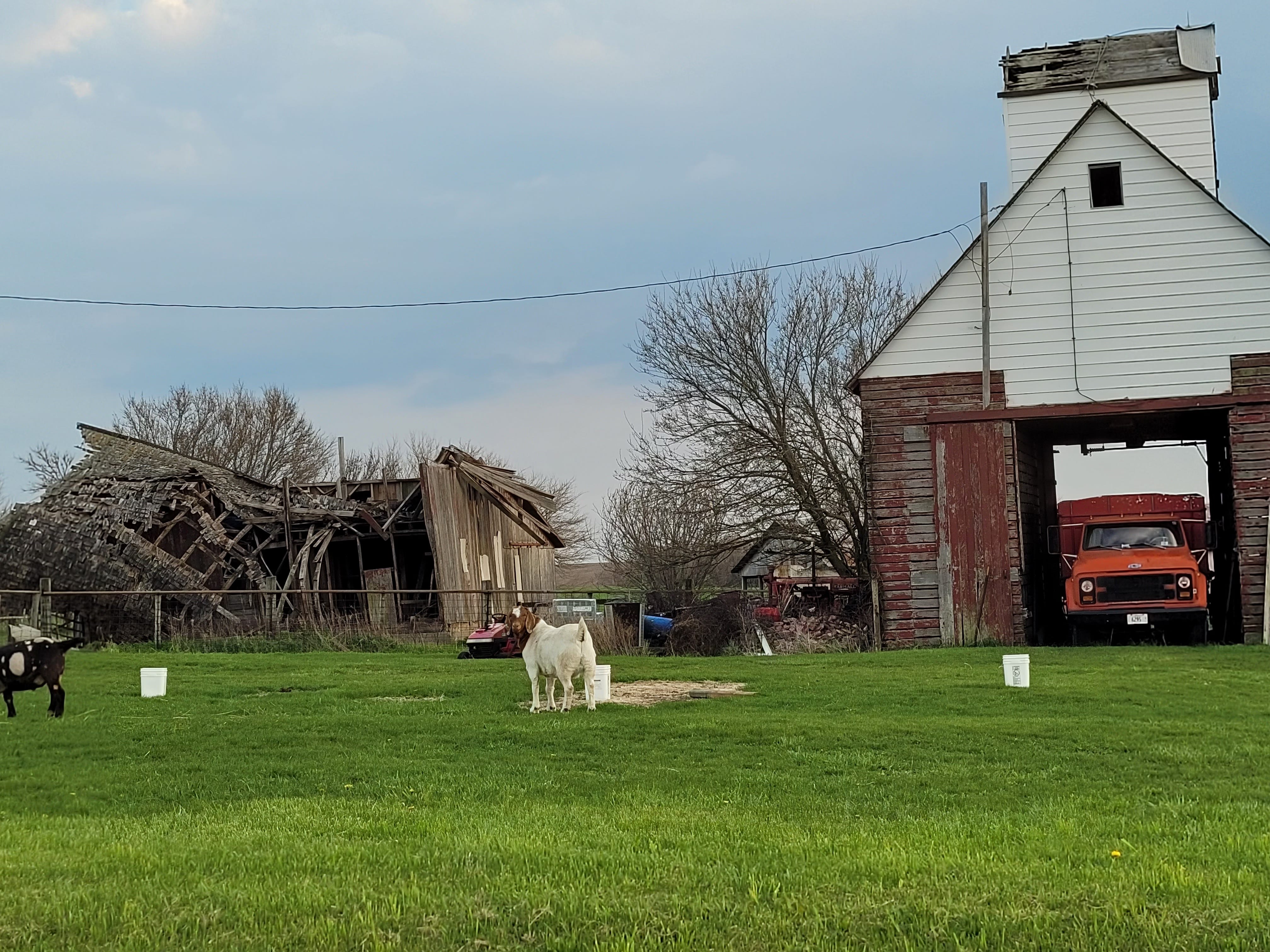
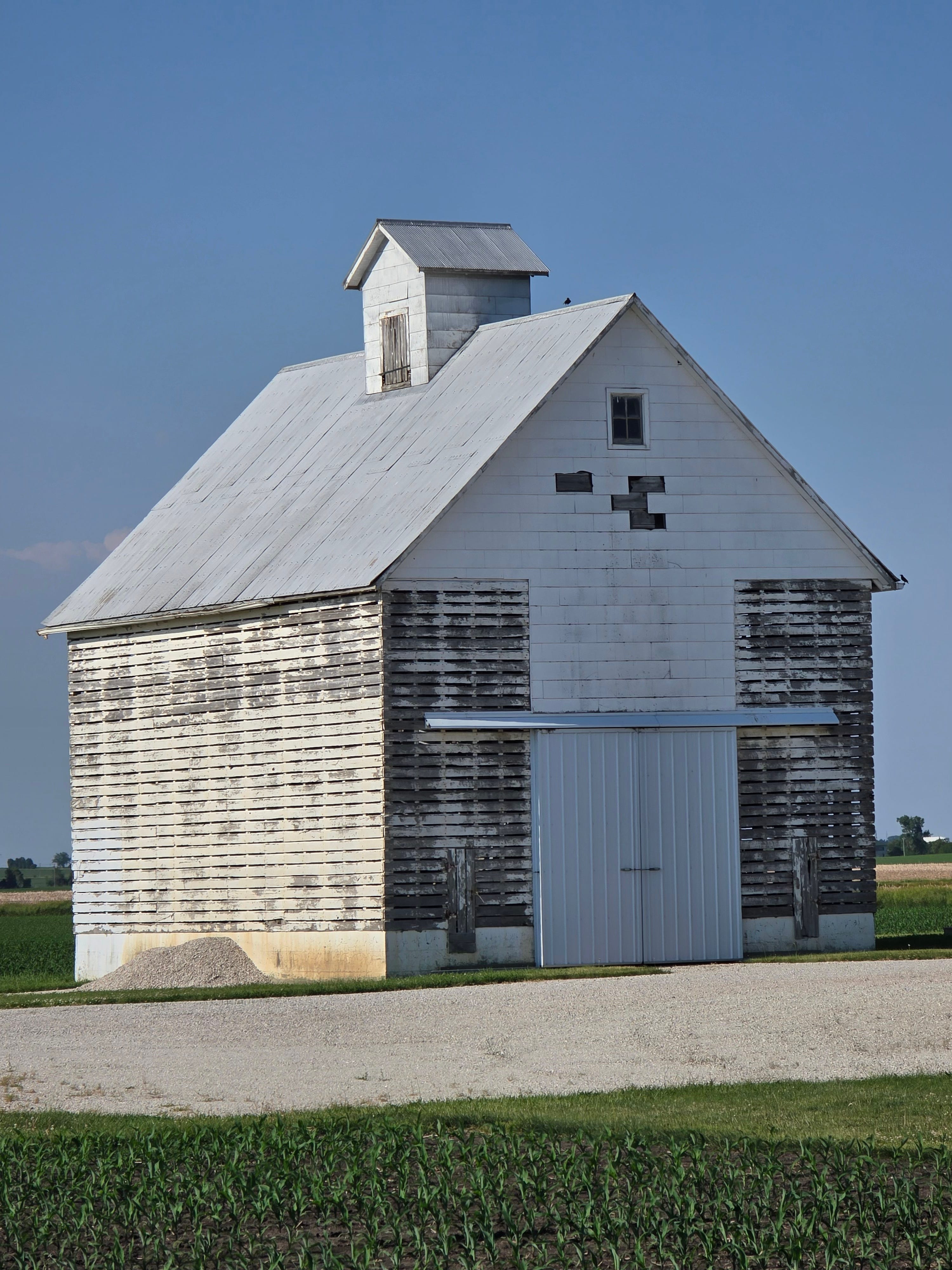
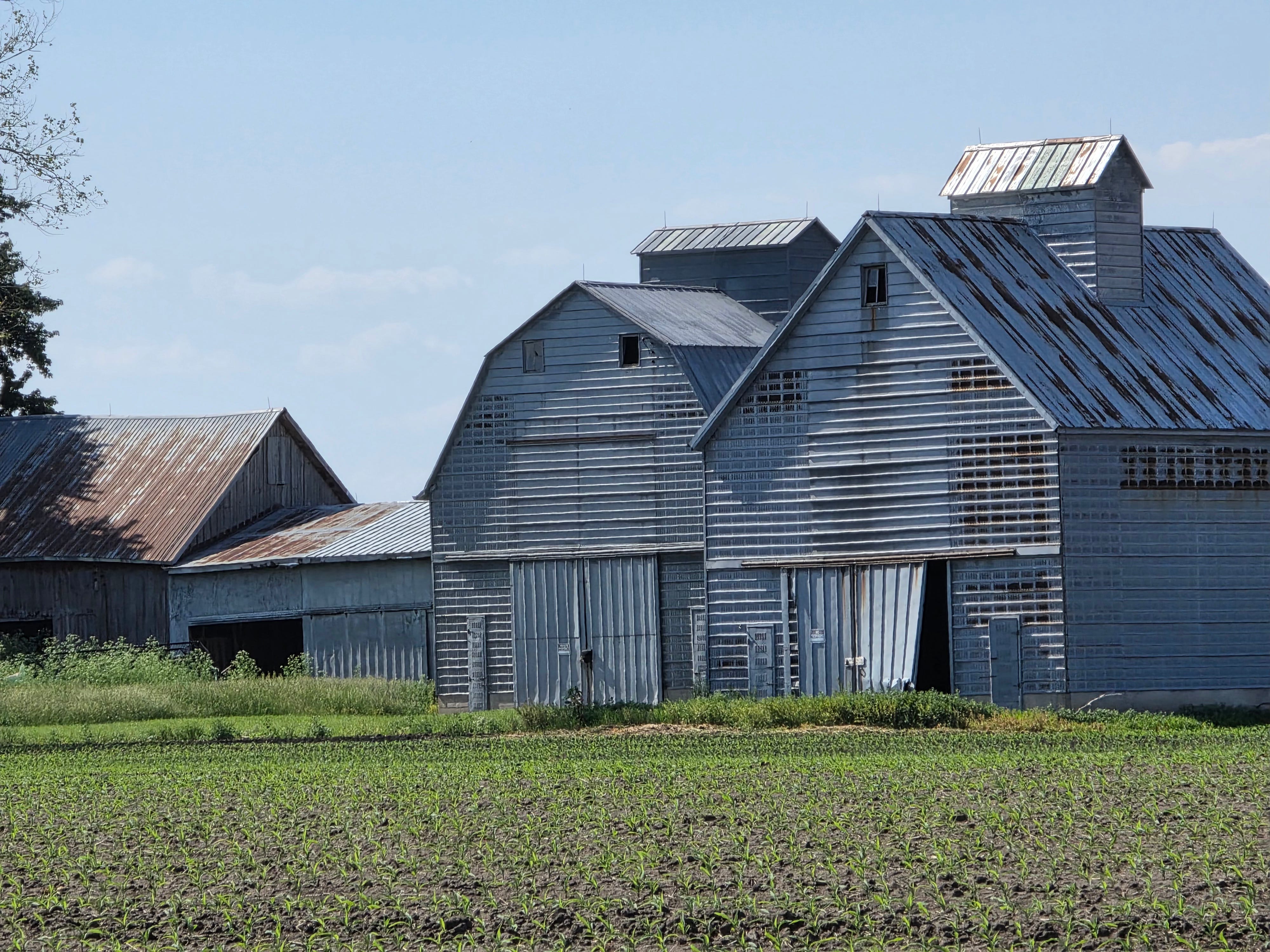
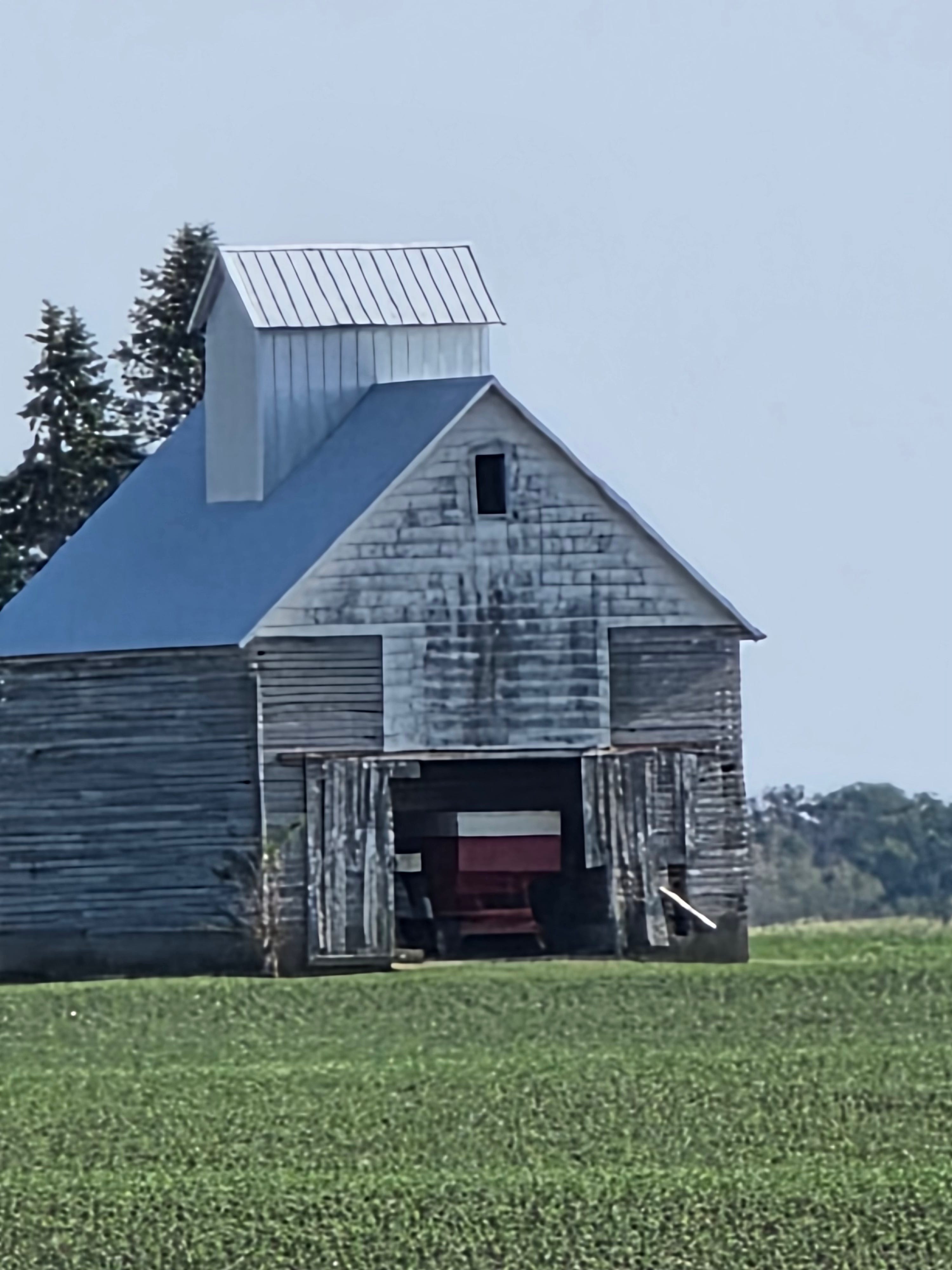
We pass that ruin every time we drive to the cabin. I’ve been watching it sink further back into the earth from which it came more each passing year since 2020. And, in years subsequent, took note of a firm cultural pattern, which one hot day this spring year I finally formally started documenting. The pattern is that, standing, or sometimes sinking, next to those metal buildings, metallic and sturdy and nearly-permanent, almost always, one finds grandpa’s barn, gloriously, romantically, rotting.
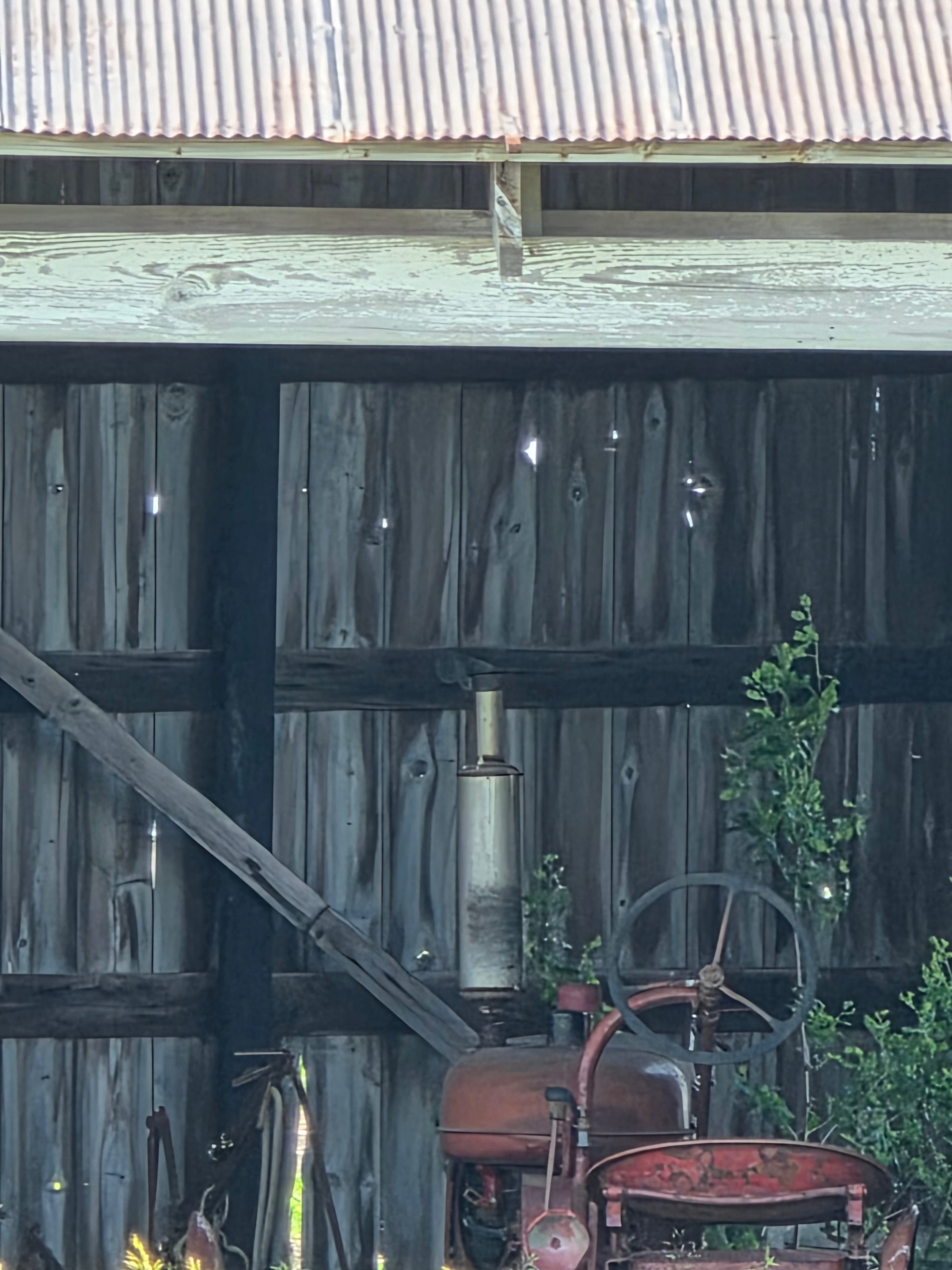
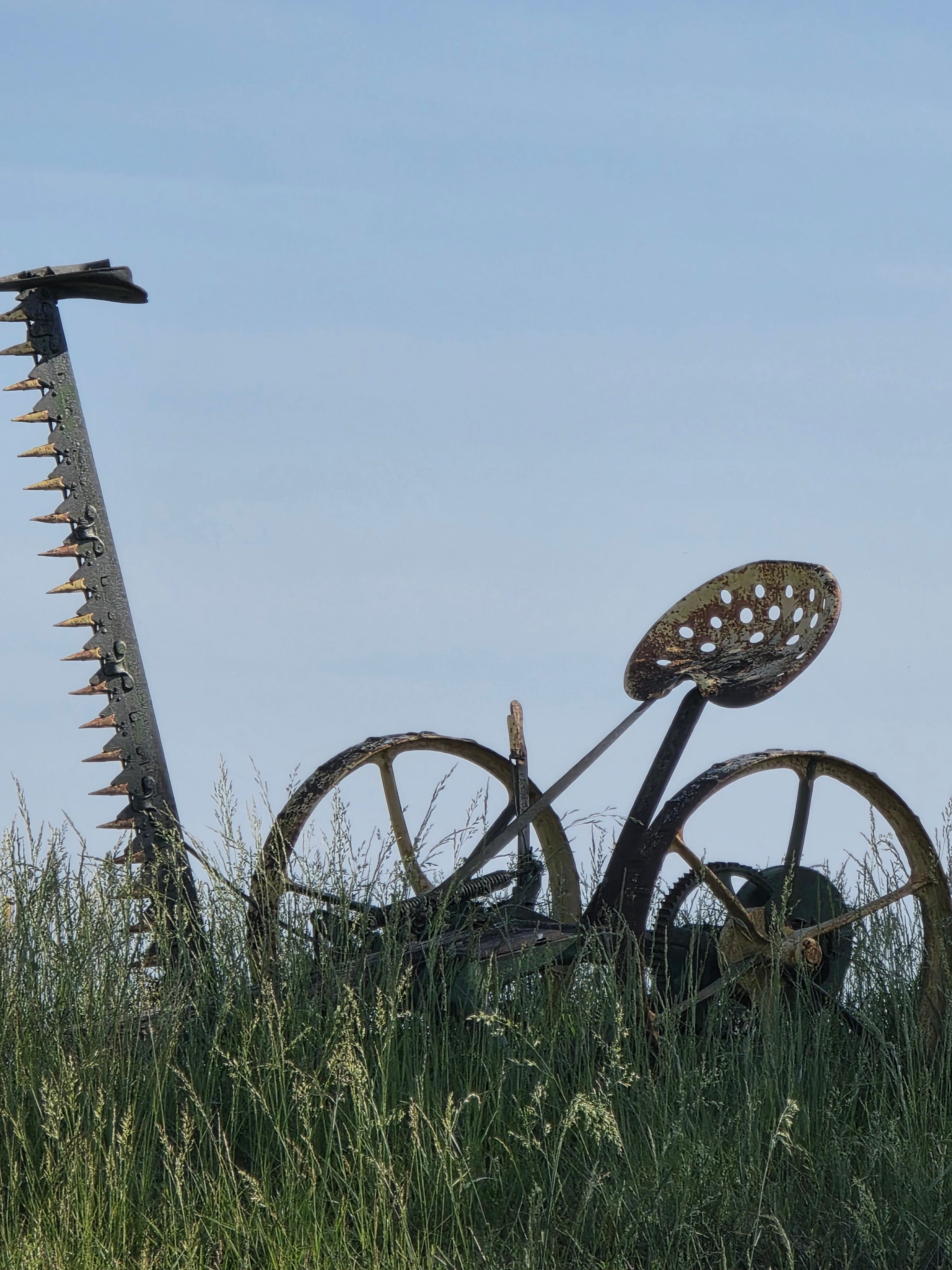
Maybe that’s because Sam Rayburn was wrong, that knocking downs barn is actually an expensive, time-consuming pain in the ass. But my hypothesis (pending confirmation from one of my farming neighbors) they are preserved as totems of days gone by when farmers were farmers. Note, as suggestive evidence, how often an old tractor or plow—of the sort that is not operated with the assistance software—rots romantically by its side.
Here’s an, um, metal building that serves a farm off State Highway 89:
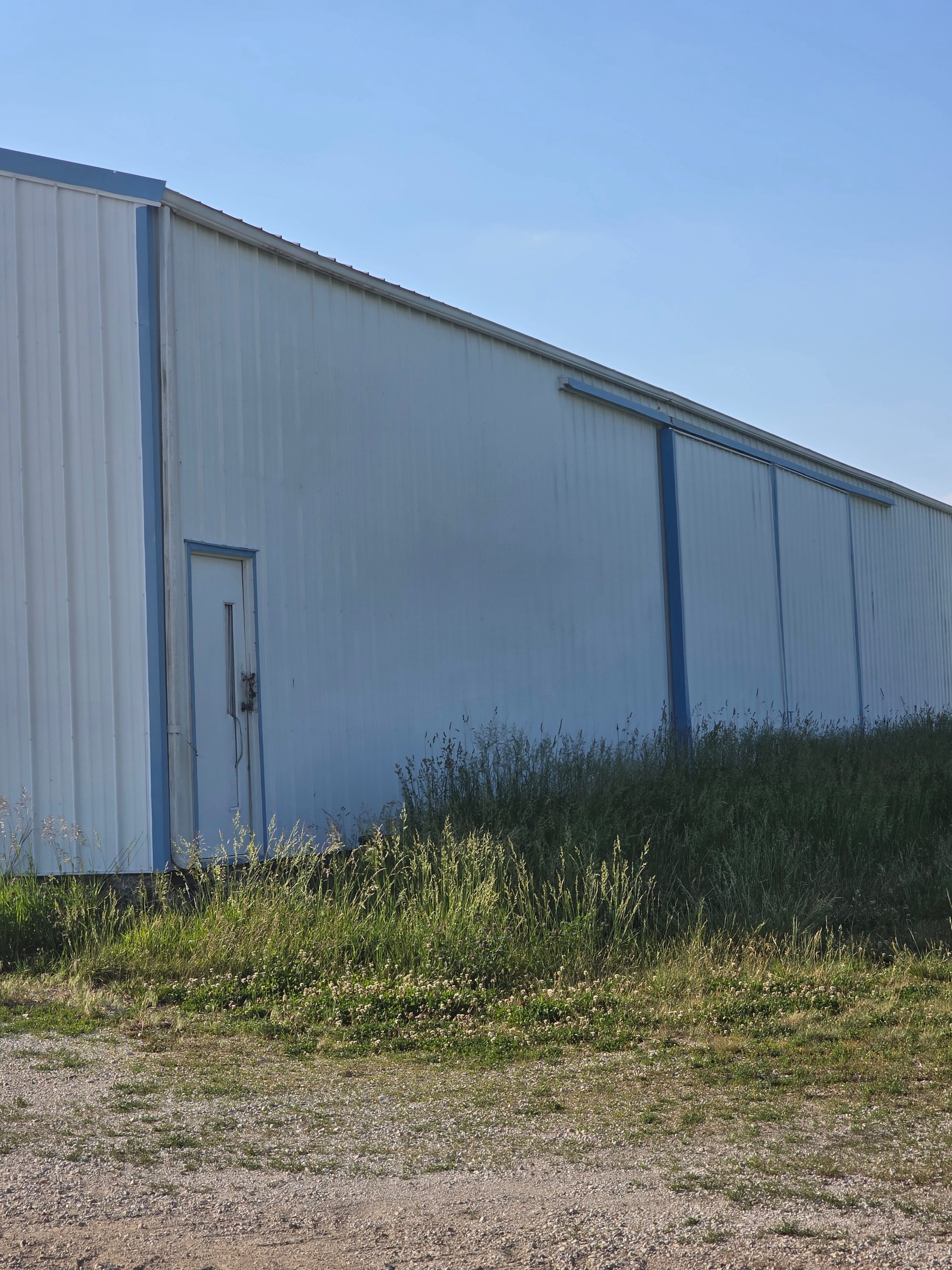
…and, veritable in his shadow, its romantic partner:
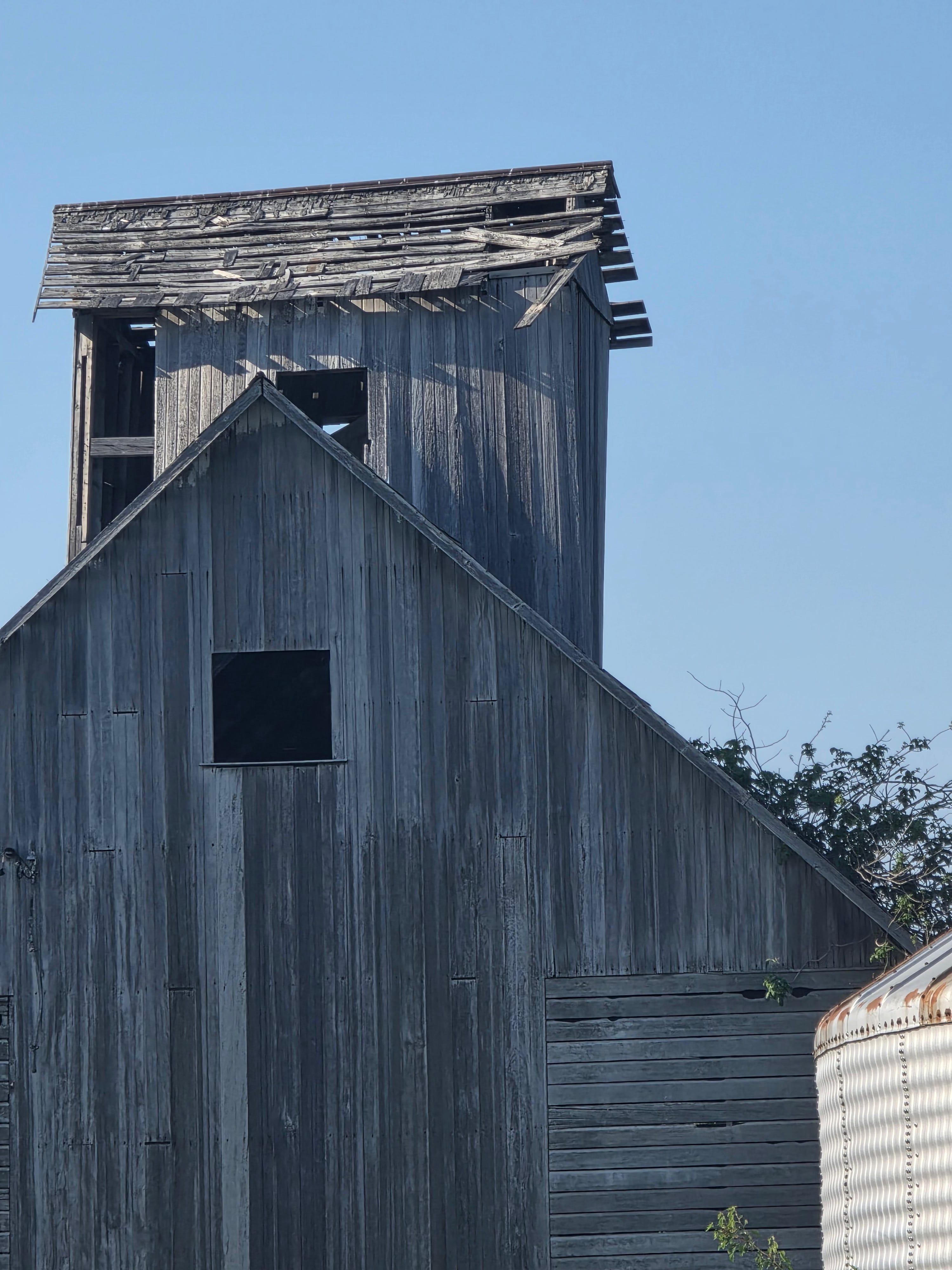
Pulling back to survey the entire tableau:
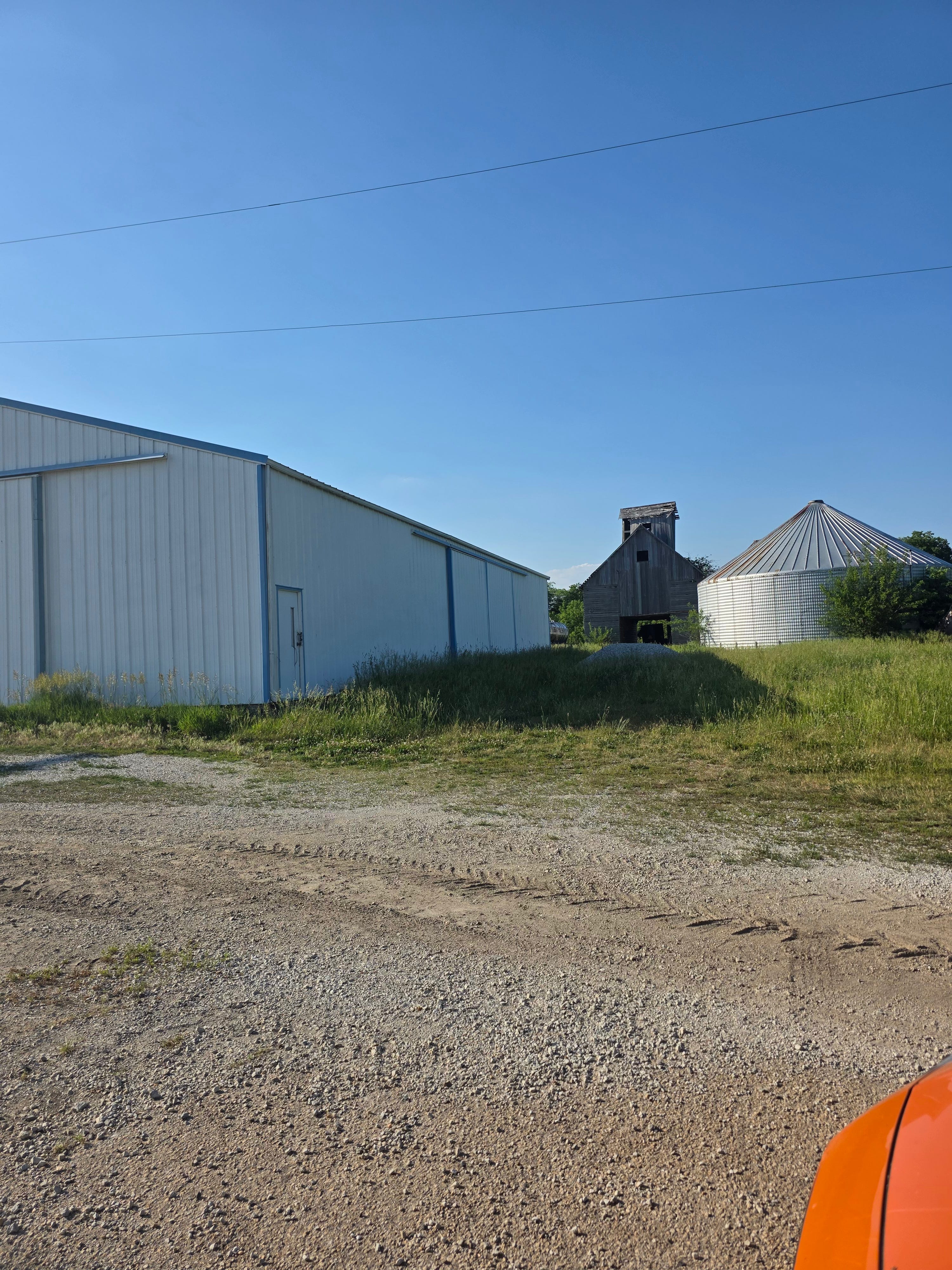
You get the picture.
**
Here is Don DeLillo, who came to literature from a career as an adman, in his classic postmodern novel White Noise (1985):
We drove 22 miles into the country around Farmington. There were meadows and apple orchards. White fences trailed through the rolling fields. Soon the sign started appearing. THE MOST PHOTOGRAPHED BARN IN AMERICA. We counted five signs before we reached the site. There were 40 cars and a tour bus in the makeshift lot. We walked along a cowpath to the slightly elevated spot set aside for viewing and photographing. All the people had cameras; some had tripods, telephoto lenses, filter kits. A man in a booth sold postcards and slides -- pictures of the barn taken from the elevated spot. We stood near a grove of trees and watched the photographers. Murray maintained a prolonged silence, occasionally scrawling some notes in a little book.
“No one sees the barn,” he said finally.
A long silence followed.
“Once you’ve seen the signs about the barn, it becomes impossible to see the barn.”
He fell silent once more. People with cameras left the elevated site, replaced by others.
We’re not here to capture an image, we’re here to maintain one. Every photograph reinforces the aura. Can you feel it, Jack? An accumulation of nameless energies.”
There was an extended silence. The man in the booth sold postcards and slides.
“Being here is a kind of spiritual surrender. We see only what the others see. The thousands who were here in the past, those who will come in the future. We’ve agreed to be part of a collective perception. It literally colors our vision. A religious experience in a way, like all tourism.”
Another silence ensued.
“They are taking pictures of taking pictures,” he said.
Murray is a cultural studies professor whose specialty is the cinema of car crashes, here standing in for the kind of theorist, quite fashionable back in those days when a movie star was president, who argued that (post-) modern reality was so saturated by representations of reality that actual, unmediated access to authenticity was impossible. In this story, those Illinois River Valley cogs in the corporate, chemical-spreading machine, manufacturing soy and inedible maize that’s not for eating but for yielding high-fructose corn syrup for extrusion into manufactured food, are, all of them, vaguely pathetic, seeking to preserve a sacred fiction from an entirely disenchanted reality. Pretending farm country looks like this—
When it actually looks more like this.
But here’s the thing. Beauty is real, and I love anyone who preserves and appreciates where they can. Which, finally (aren’t I an Olympic-class throat cleaner??), brings me my frickin’ point: I invite thee to enjoy these barns, even if they are, in point of fact, actually only “barns”; and join me in thanking my neighbors for staging for the rest of us an (wow, what a desiccated phrase!) art installation to remind us that beauty is all around us, free for the taking.
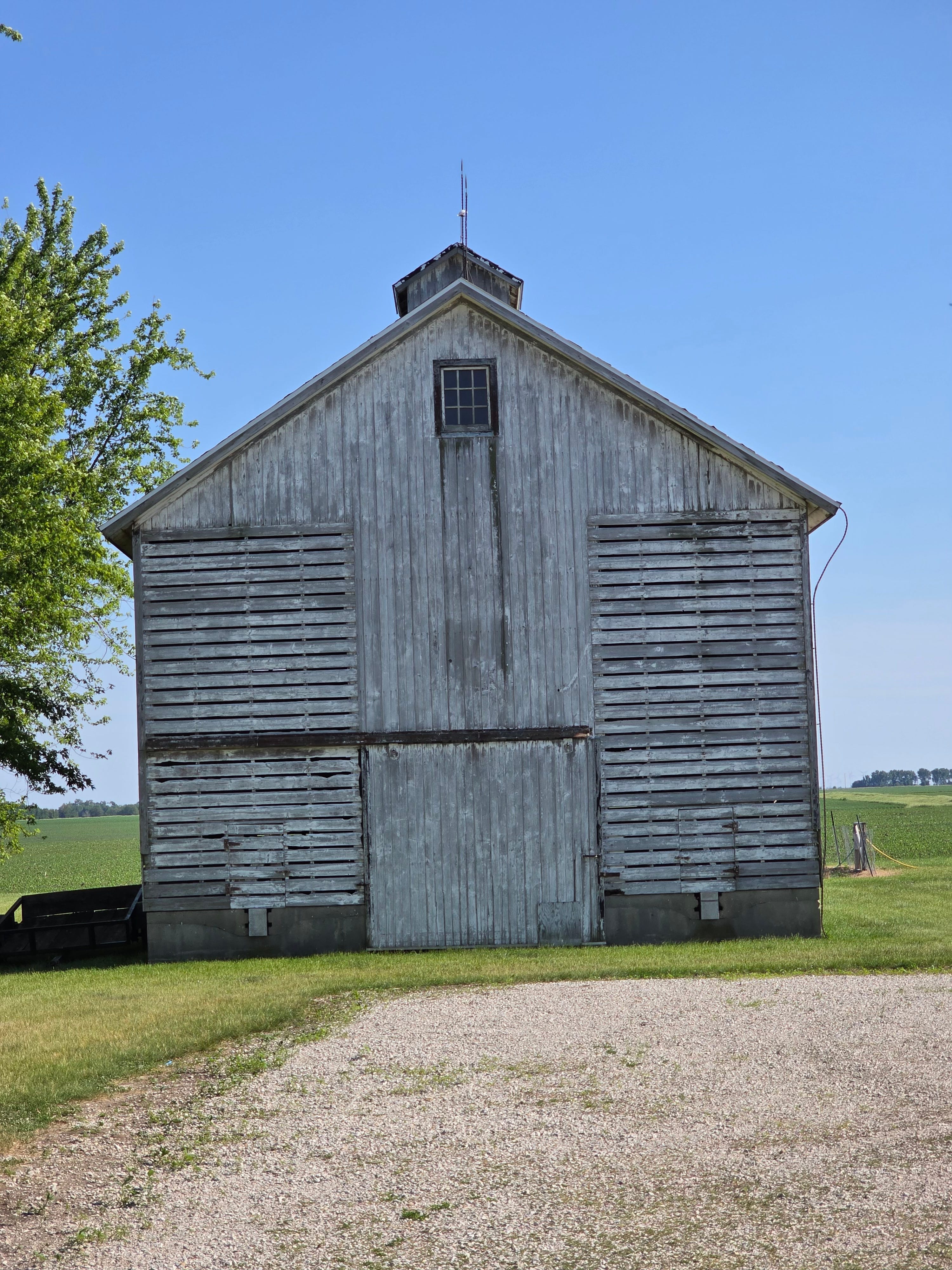
You know, if the farmers that originally built the wooden barns could have bought the metal buildings for less, they surely would have bought them. I live in Vermont where the barns are part of the appeal for the tourist industry, but you can see them falling apart. The state will give you a grant to renovate them, but it is never enough. Only the rich, who come here and buy up an old farm and 300 acres, put the money into their renovation. With the cost of lumber and labor, most people just let them go. Farmers, all famers who are not industrial level farmers in America struggle. Its a hard business.
Dear Lord I enjoyed this way too much. Maybe because I know where each of those photos are. Maybe because right behind that garbage can on the second "downtown Varna" photo is the entrance to the Varna "community center", which is really just a room with a small kitchen and an attached bathroom, where my kids meet for their monthly 4H meeting. Along the walls are high school graduating classes photos of the high school that no longer exists, where every face from the 1920s and 30s looks more like 35 year olds than high school graduates. Where I pull up a seat in the corner and wonder how the hell I, a native of a city of 20 million, ended up here.